

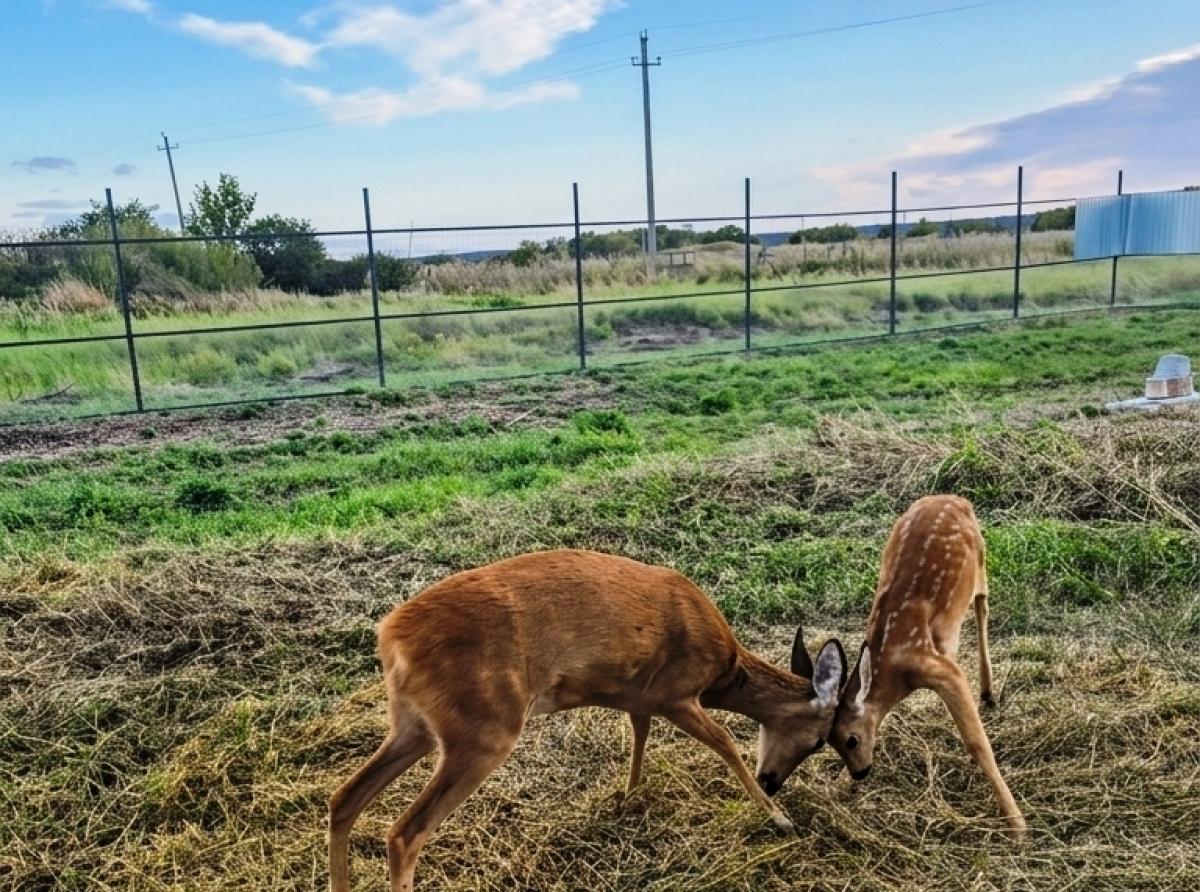
"Responsible for those" category: Orenburg residents bottle-fed and nursed back to health a newborn baby roe deer saved from a turbulent river, as well as another fawn that nearly drowned in a water-filled pit.
The amazing rescue story of the first roe deer fawn took place on one of the hot summer days of 2024. Anna Schastieva, along with her husband and three children, stopped by the Salmysh River while returning to their village. The man decided to take a swim in the cool river, while his wife set out to gather flowers for her unique epoxy resin creations, Komsomolskaya Pravda Orenburg reported. Suddenly, the family heard a loud, distressed squeaking.
Unusual sounds echoed over the river. "For a long time, we couldn't understand where the noise was coming from until we took a closer look at the river: the current was carrying a tiny roe deer," the resin artist shared.
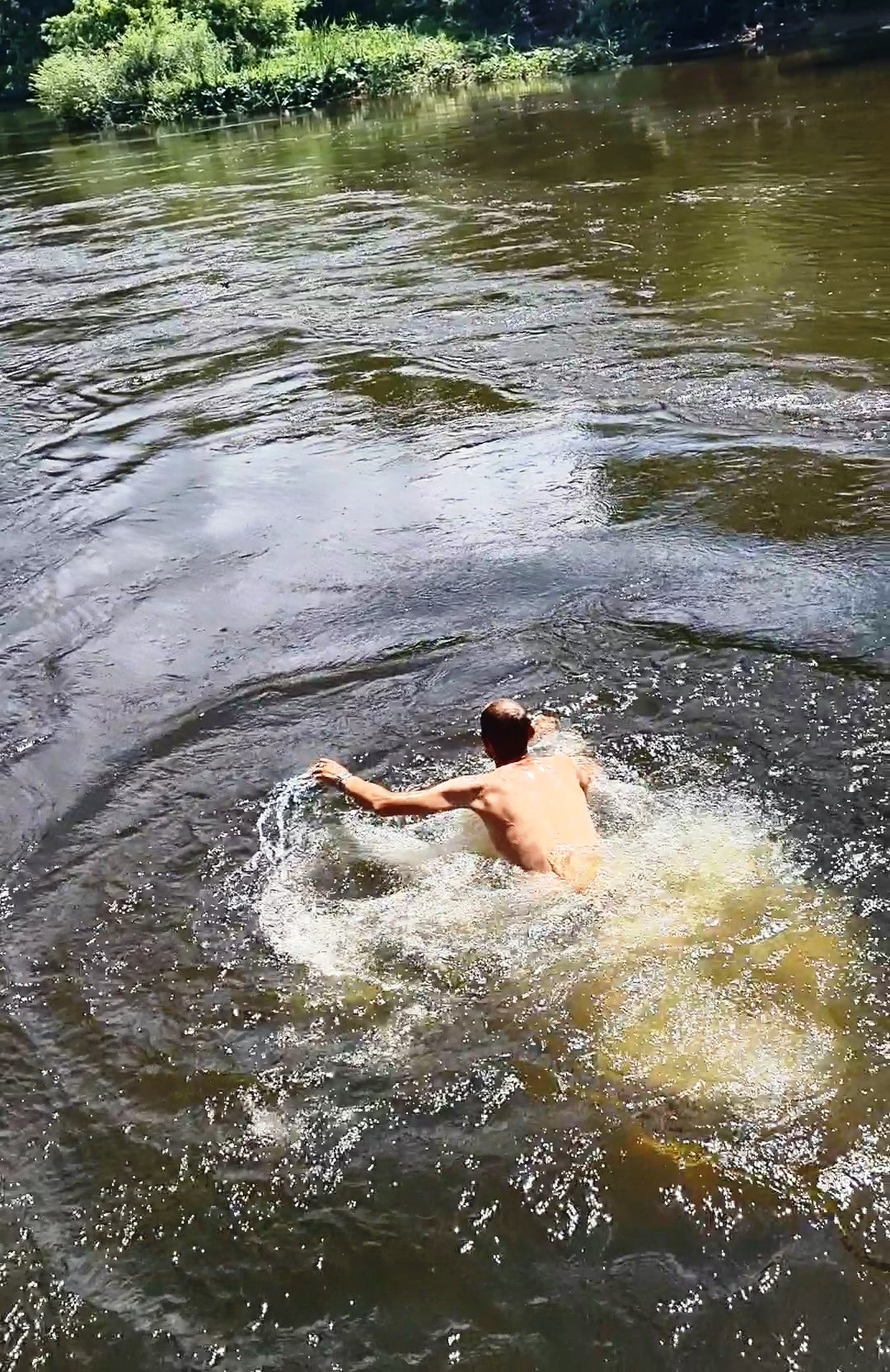
The fragile animal, crying out for help, was being swept away by the current, but Anna's husband jumped into the water without a second thought and managed to catch up with the roe deer. Holding the fawn tight, Aleksandr fought the powerful current and made it to the shore using the last of his strength. The rescued baby was shaking from fear and cold. She was tiny and thin. "Later we noticed that her umbilical cord hadn't even fallen off yet. She was probably born just a few days ago," Anna shared.
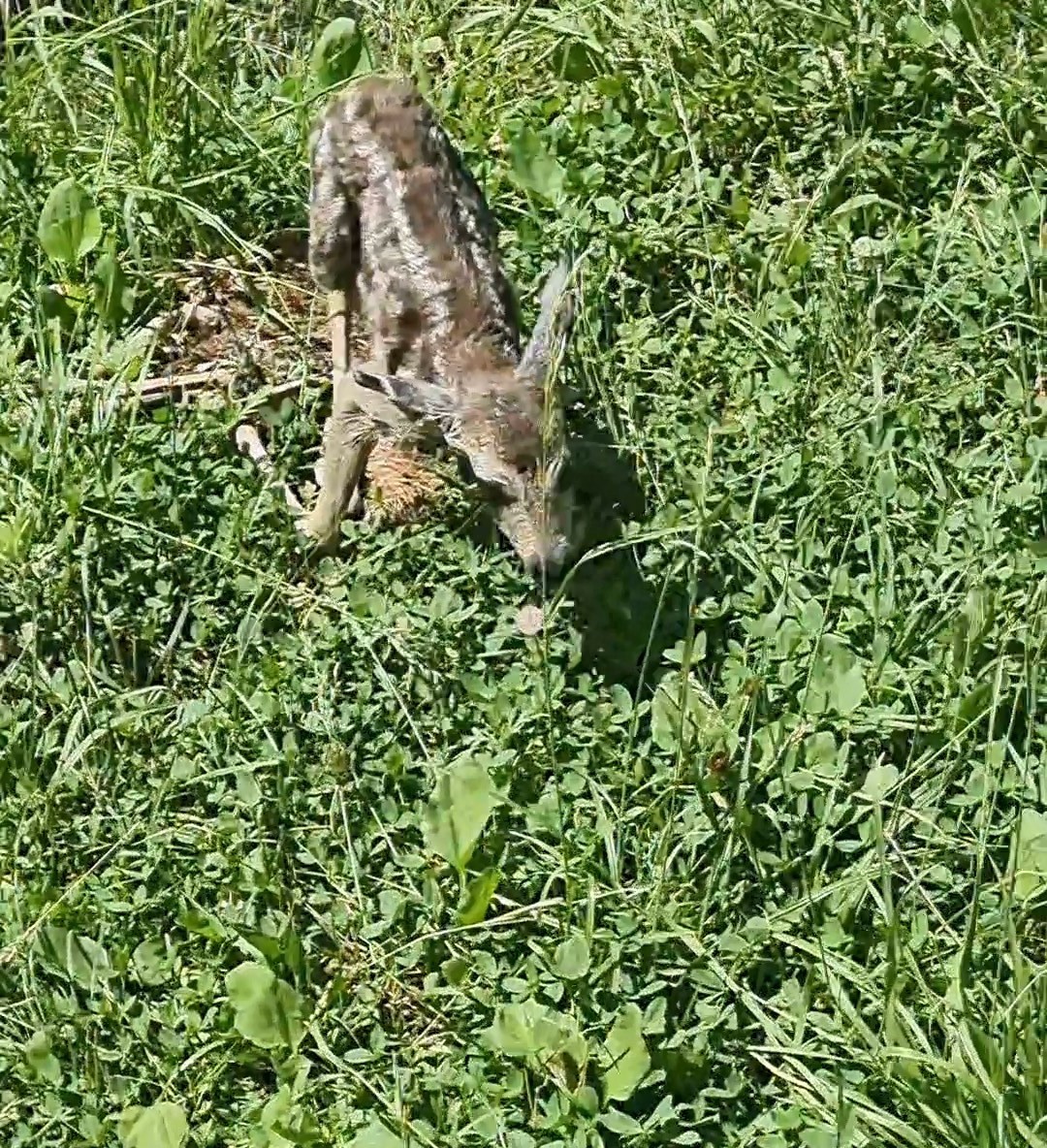
For several hours, the parents and their children searched for the mother roe deer, checking both riverbanks and all the nearby thickets, but they found no one. During their unsuccessful search, the weather turned; storm clouds blocked out the sun, and it was time to head home. The Orenburg family simply couldn't abandon the helpless, exhausted little creature—who couldn't even stand on her feet—by the river under the pouring rain, rolling thunder, and flashing lightning. Leaving her behind would have meant certain death. The Schastiev family had always treated animals with great tenderness and love. "We couldn't leave the baby to her fate, so we took her with us. We stopped by a neighboring village to buy a baby bottle, and then got some goat's milk from a neighbor," Anna said.
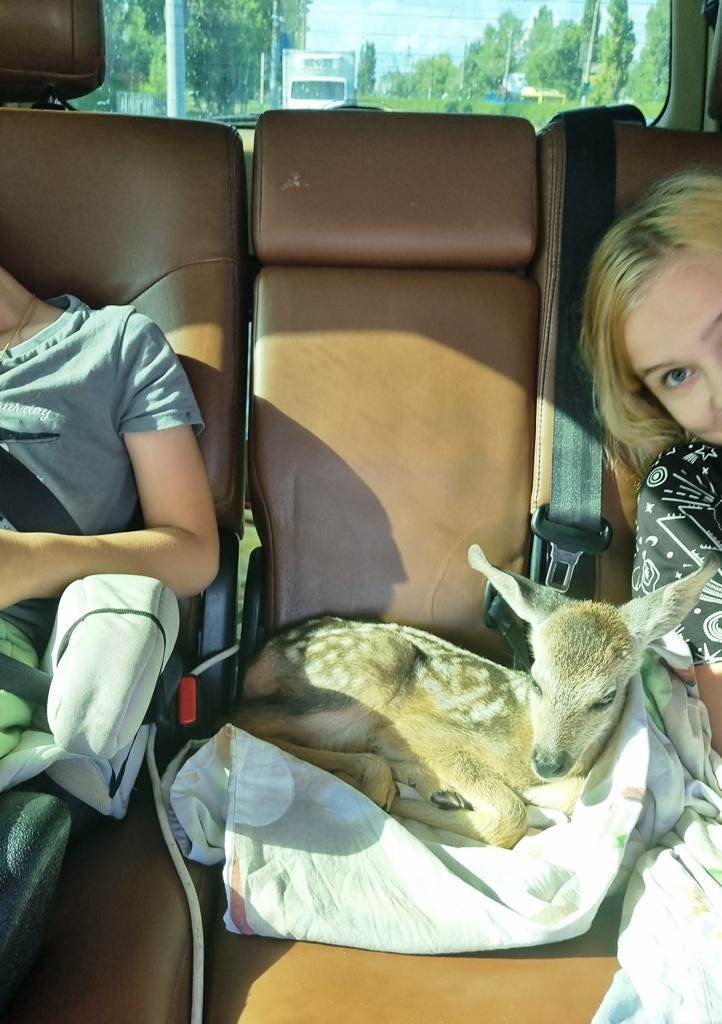
Feeding the newborn roe deer didn't work out right away. The spouses and their children began searching for information on how to care for such animals. It wasn't until late at night that the starving little one finally started sucking milk from the bottle. By morning, she was already up on her feet. They named the roe deer fawn Ryzhulya.
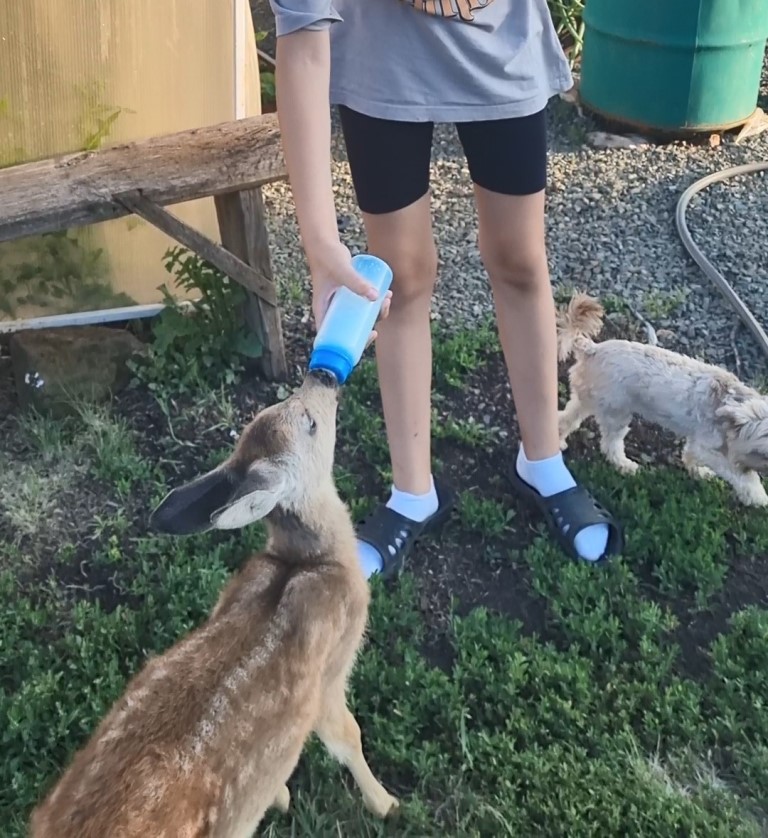
The family had to decide on the next steps for the rehabilitation of the rescue, which had been removed from the wild by force of circumstance. They reached out to various wildlife rehabilitation centers. Such facilities existed, but they were too distant—located in St. Petersburg and Stavropol. The family was told to transport the fawn two and a half thousand kilometers away, which was out of the question. "We also contacted a local park in Orenburg that houses roe deer. They advised us to nurse the little one first. Once she grows strong enough to eat on her own, they can take her in. We decided to follow that plan," Anna noted.
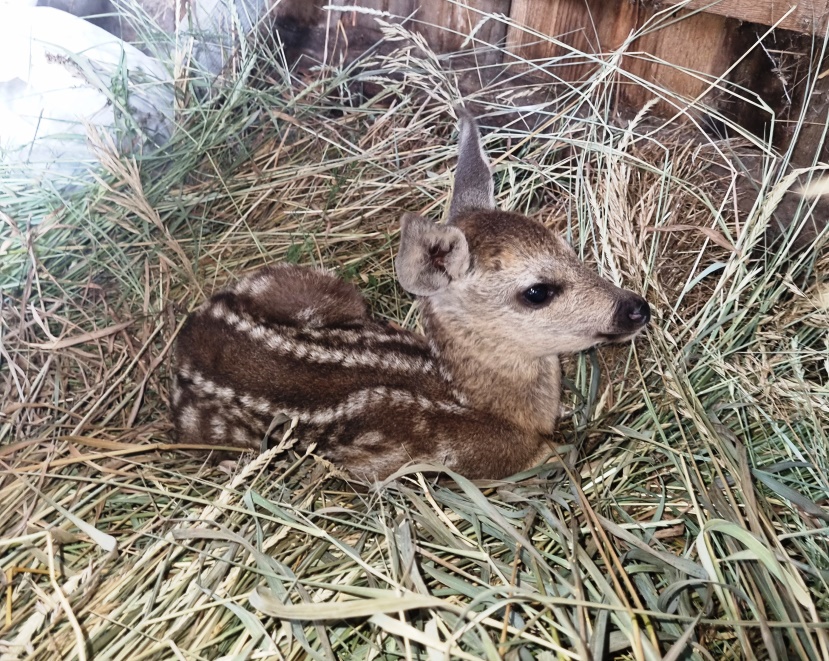
Caring for the rescued cloven-hoofed animal turned out to be no easy task. In addition to arranging a warm and quiet place for her to rest and sleep, the fawn needed glucose supplements, saline solutions, bifidobacteria, regular outdoor walks, and much more.
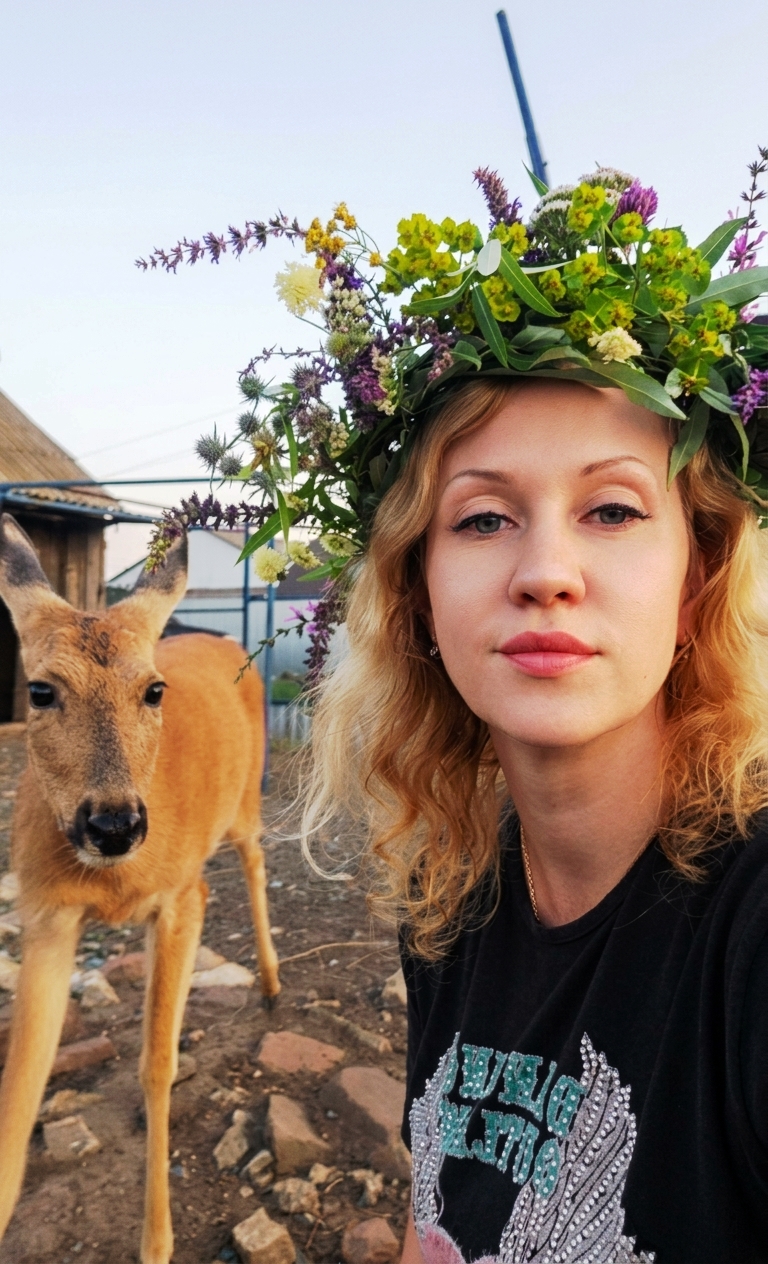
After several months spent in love and care, the little one grew into a true beauty. The charming Ryzhulya became friends with the other pets—two dogs and a cat—and grew especially attached to her rescuers. She responds to her name, running over at the very first call just like a dog. She remains wary of strangers. "She only recognizes us. When she sees outsiders, she starts squeaking and runs to hide. She is also afraid of loud noises. She's just like a big dog—always within sight, and if we call her by name, she comes running," Anna said.
The large family received their second gift of fate in the form of another roe deer fawn in July 2026. According to Anna, the baby roe deer had wandered into a neighboring village and attached itself to a shepherd. The frightened little one, presumably born just over a week prior, followed the man closely at his heels all day. The shepherd waited for a long time, hoping the mother would appear. But when the fawn tumbled into a deep, water-filled pit and nearly drowned, he rushed to help the wild animal and pulled it from the dangerous trap. Afterward, the man contacted a local game manager, who suggested handing the rescue over to Anna's family, since they were already raising Ryzhulya.
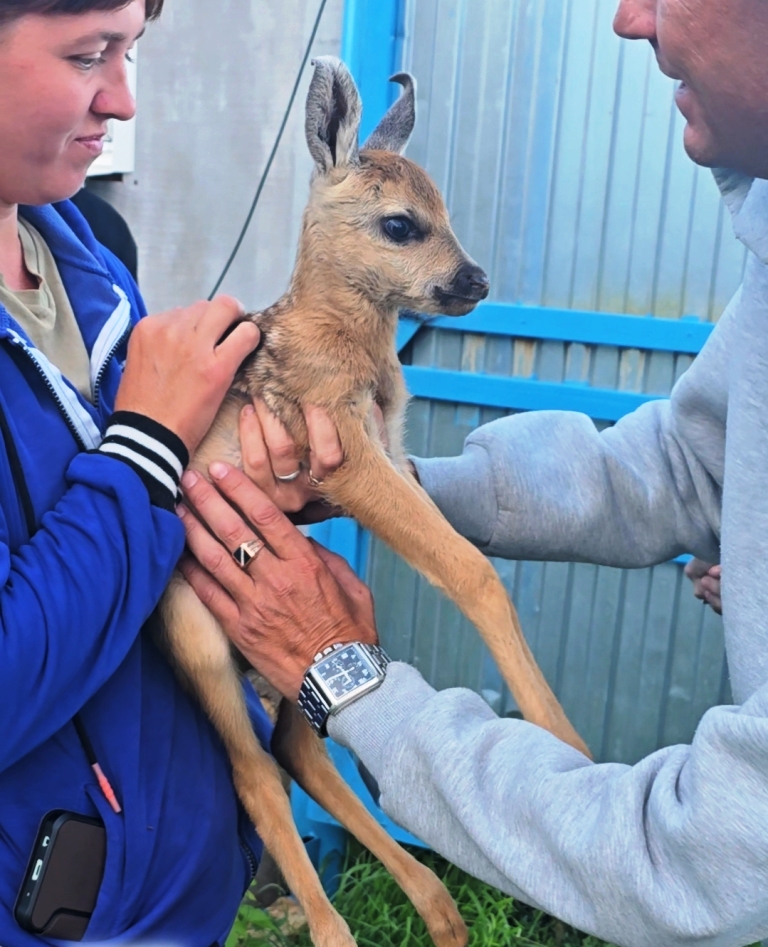
"We got a call offering us the fawn, and we agreed immediately since we already had successful experience in caring for such animals. A 70-kilometer drive, and we met this little miracle. The shepherd told us it was a girl named Masha. But when we got home and examined the baby, we realized it was a boy," Anna shared.
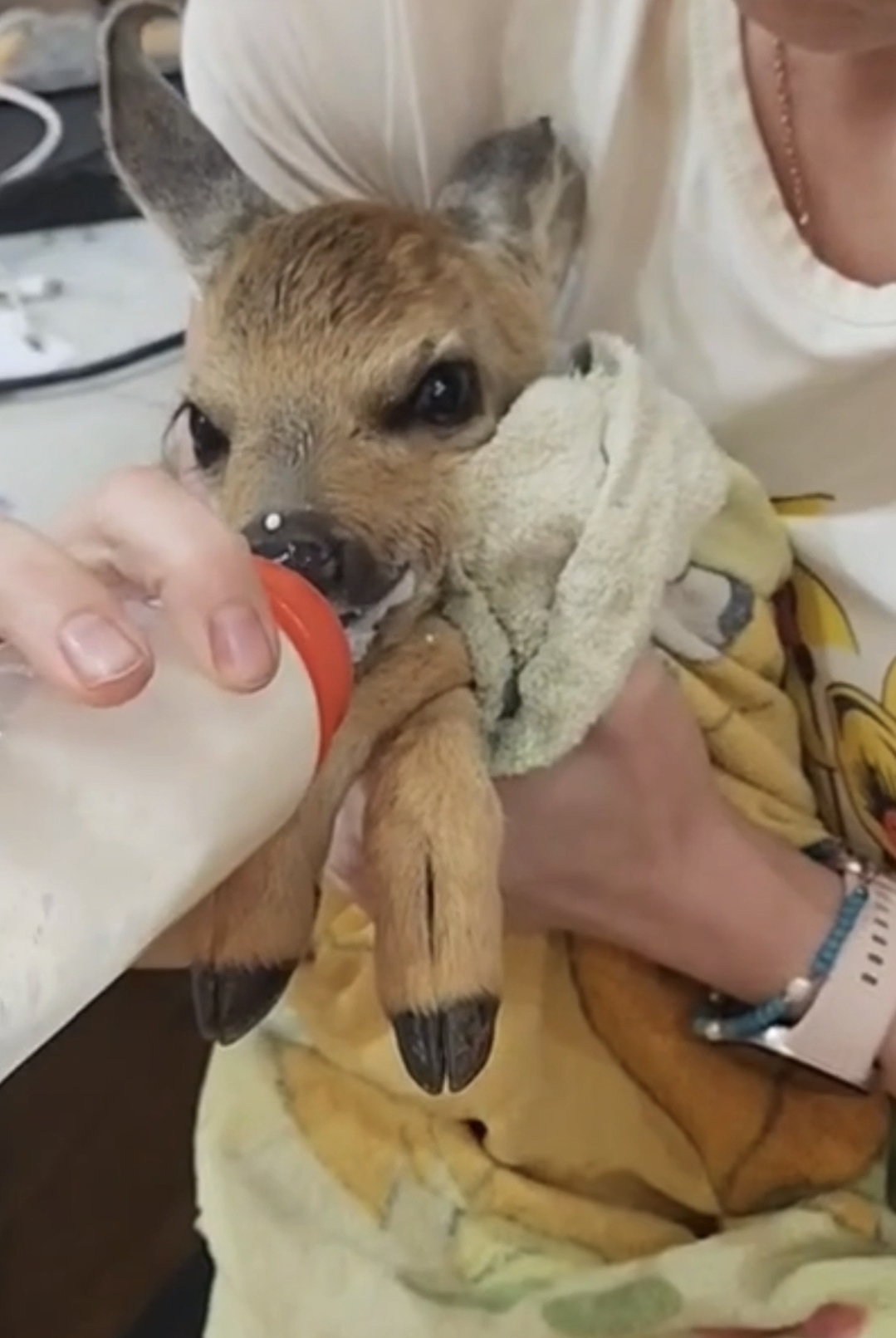
The rescued fawn was named Gavryusha. Just like Ryzhulya, he refused to take the bottle at first, but in caring hands, he settled in even faster than his neighbor and began to eat with a healthy appetite.
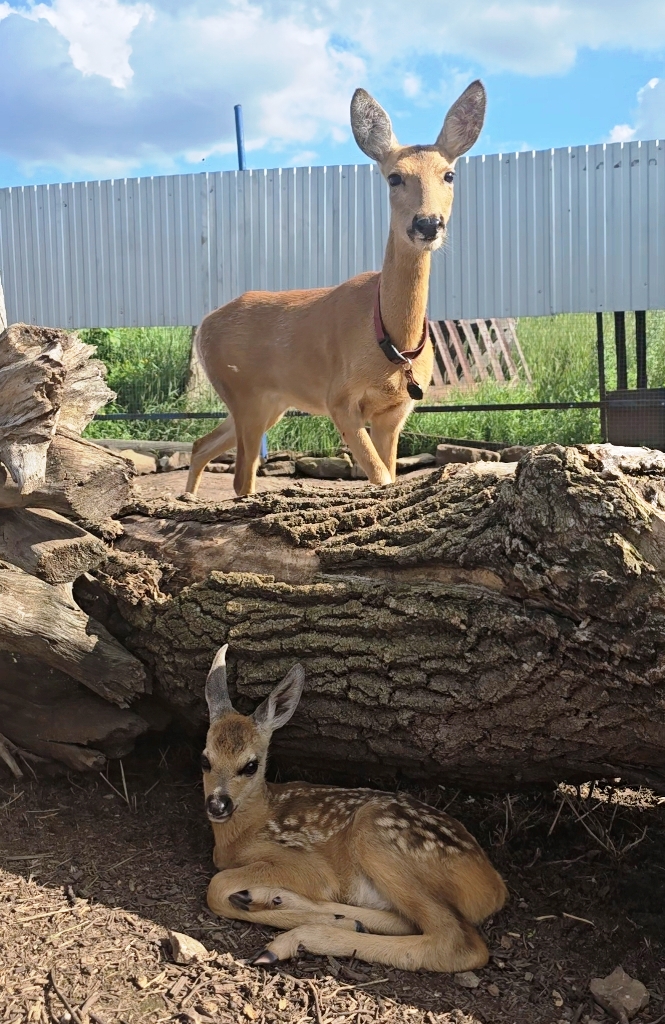
Unfortunately, the happy rescue stories of the roe deer fawns by the Schastiev family are more of an exception than the rule. More often than not, "rescued" animals die due to the incorrect actions of well-meaning people who fail to provide the care and nutrition wild animals need.
"Wild animals are very different from domestic pets when it comes to feeding and care. There is no need to remove wild babies from nature. If you see a healthy fawn, for example, just walk on by. If it is injured, take it to a veterinary clinic, and then be sure to contact specialized centers or nature reserves," the Orenburg resident emphasized. Anna's family plans to transfer their beloved hoofed pets to a national park.
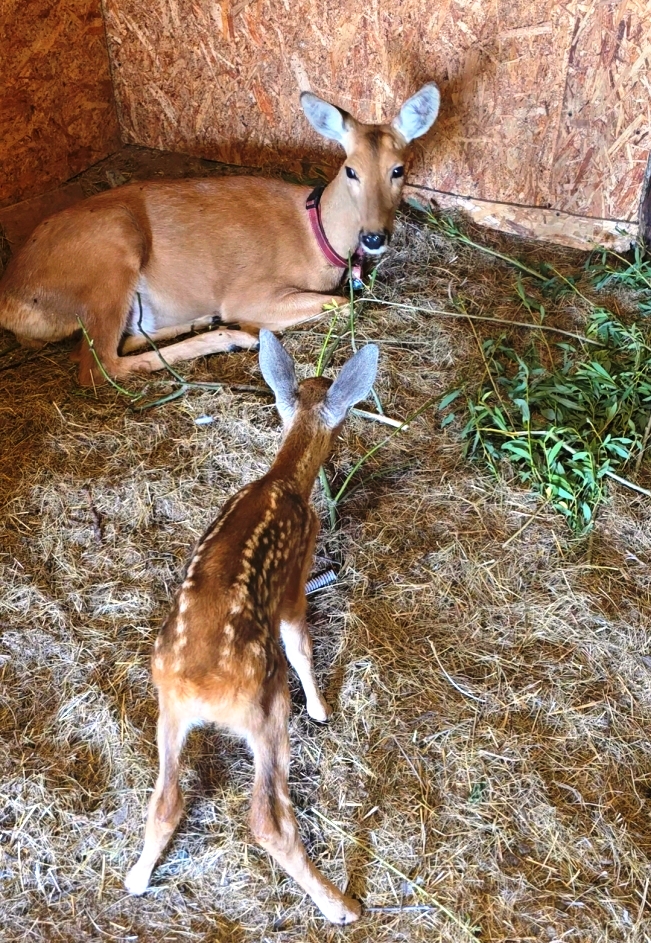
Photo from Anna Schastieva's personal archive