
Nomination "Responsible for those": The clinical and diagnostic veterinary center "Polivet" has created a unique course in veterinary tactical medicine to save four-legged animals in field conditions.
Service dogs perform complex combat missions on the frontline alongside humans. Just like military personnel, they come under shelling and sustain wounds and injuries. If first aid is not provided to wounded dogs on time right at the front line, the pups may die.
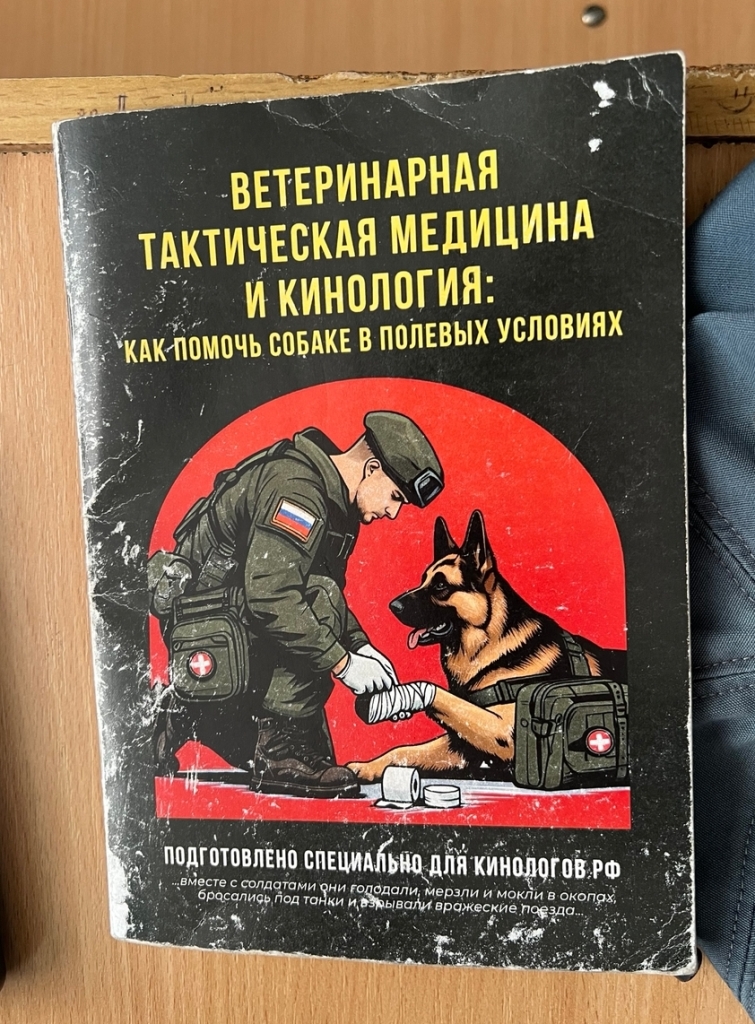
The "Polivet" veterinary clinic from Zelenograd has developed Russia's only course titled "Veterinary Tactical Medicine and Cynology: How to Help a Dog in Field Conditions." This unique project, aimed at teaching the basics of first and emergency aid to animals in extreme conditions, has been implemented by Moscow veterinarians in the Special Military Operation (SMO) zone since 2022. Its organizers and trainers are practicing veterinarians: Vasily Sychev, the director of the veterinary center who came up with the idea of humanitarian trips to Donbas four years ago, and Nina Polevikova, the clinic's chief physician who developed the training program.
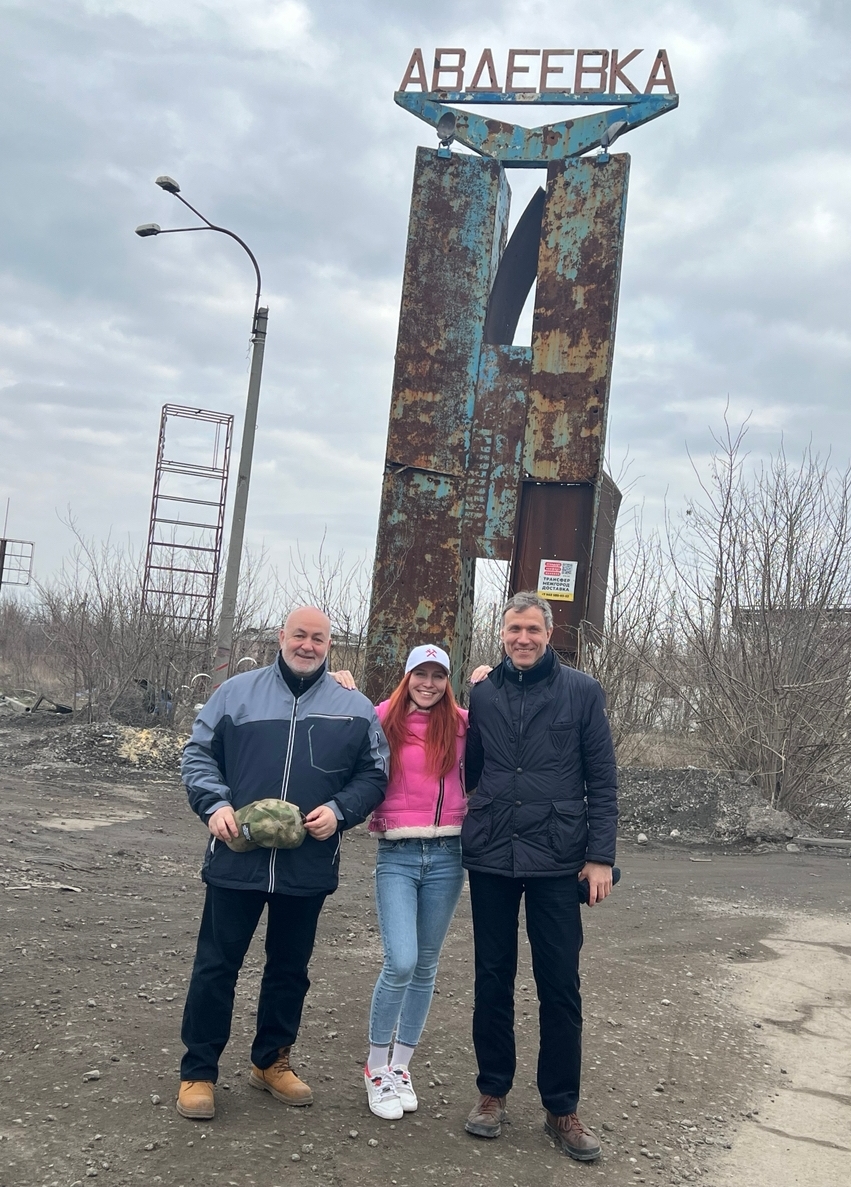
Volunteers travel to the special operation zone—including Donbas, Donetsk, Mariupol, and Avdiivka—every 4 to 6 months on their mission of mercy. The volunteer veterinarians teach military dog handlers and civilian dog owners basic skills for saving service dogs. Their main principle is that a soldier must know how to monitor and care for their four-legged friend just as they would for their weapon. Over the course of four years, the veterinarians have trained more than 700 service members and EMERCOM rescuers, as reported by Izvestia.
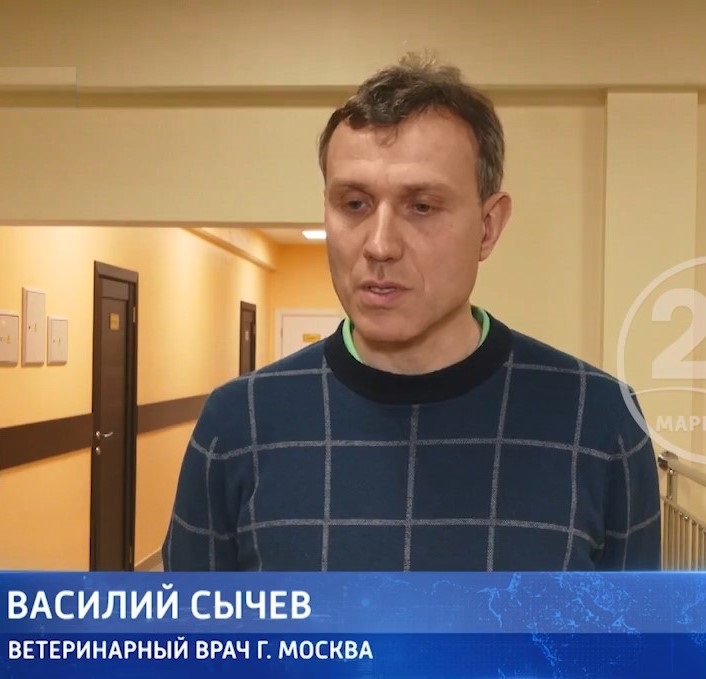
As Vasily Sychev, head of the "Polivet" center, noted, treating animals wounded on the frontline requires a special approach. This is a highly responsible area of medical practice.
"Veterinary medicine covers all animals first and foremost. However, veterinary tactical medicine focuses specifically on service dogs and the treatment of specific conditions, including combat wounds. We've had people come to us in Moscow who, upon receiving a wounded animal at the line of contact, did not abandon them but tried with all their might to help them," the surgeon and orthopedist with over 30 years of experience told the "Mariupol 24" TV channel.
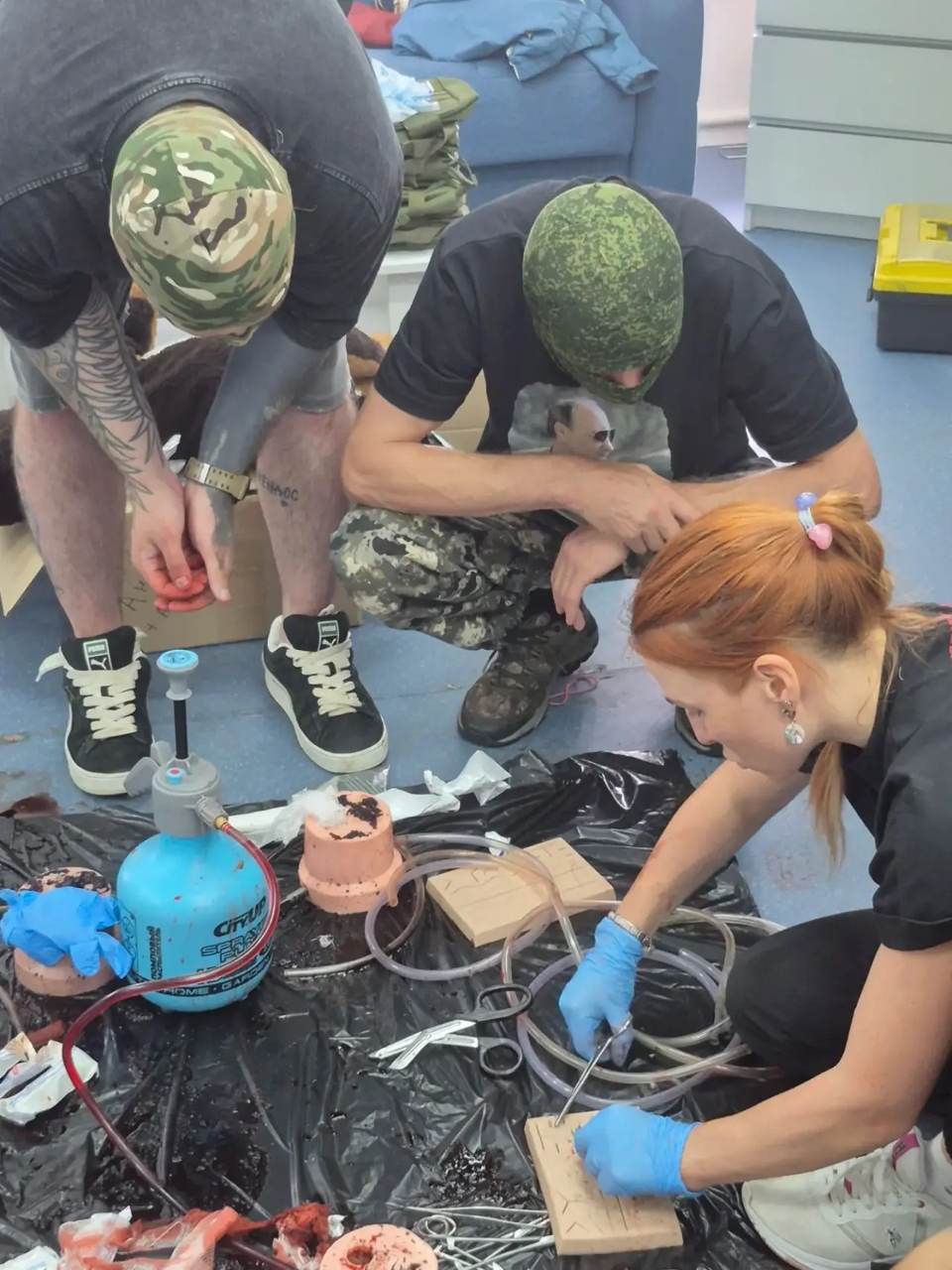
olunteer medics are highly anticipated in frontline cities. Word of their arrival is shared in advance, passed down the chain to military and civilian specialists, including dog handlers, veterinarians, and rescuers. Local authorities help organize the classes. However, in the very beginning, when the veterinarians were just preparing for their trips, many officials viewed this noble initiative with skepticism.
According to Vasily Sychev, the humanitarian convoy first arrived in Mariupol in 2023. "We went blindly; before that, we had been brushed off everywhere. But sitting idly by was impossible; we wanted to be useful somehow. We brought humanitarian aid, animal feed, and medications. In the end, we established our first connections—with the city leadership, the local zoo, which had suffered greatly, and colleagues from the state veterinary hospital, which had been destroyed," the surgeon shared.
The volunteers helped rebuild the veterinary clinic and also saved several suffering animals at the zoo, where many residents had perished during the hostilities. They operated on a pony, removing an abscess and a shrapnel fragment, stitched up a wound on a silver fox—who later gave birth to five fluffy pups—and provided aid to other animals.
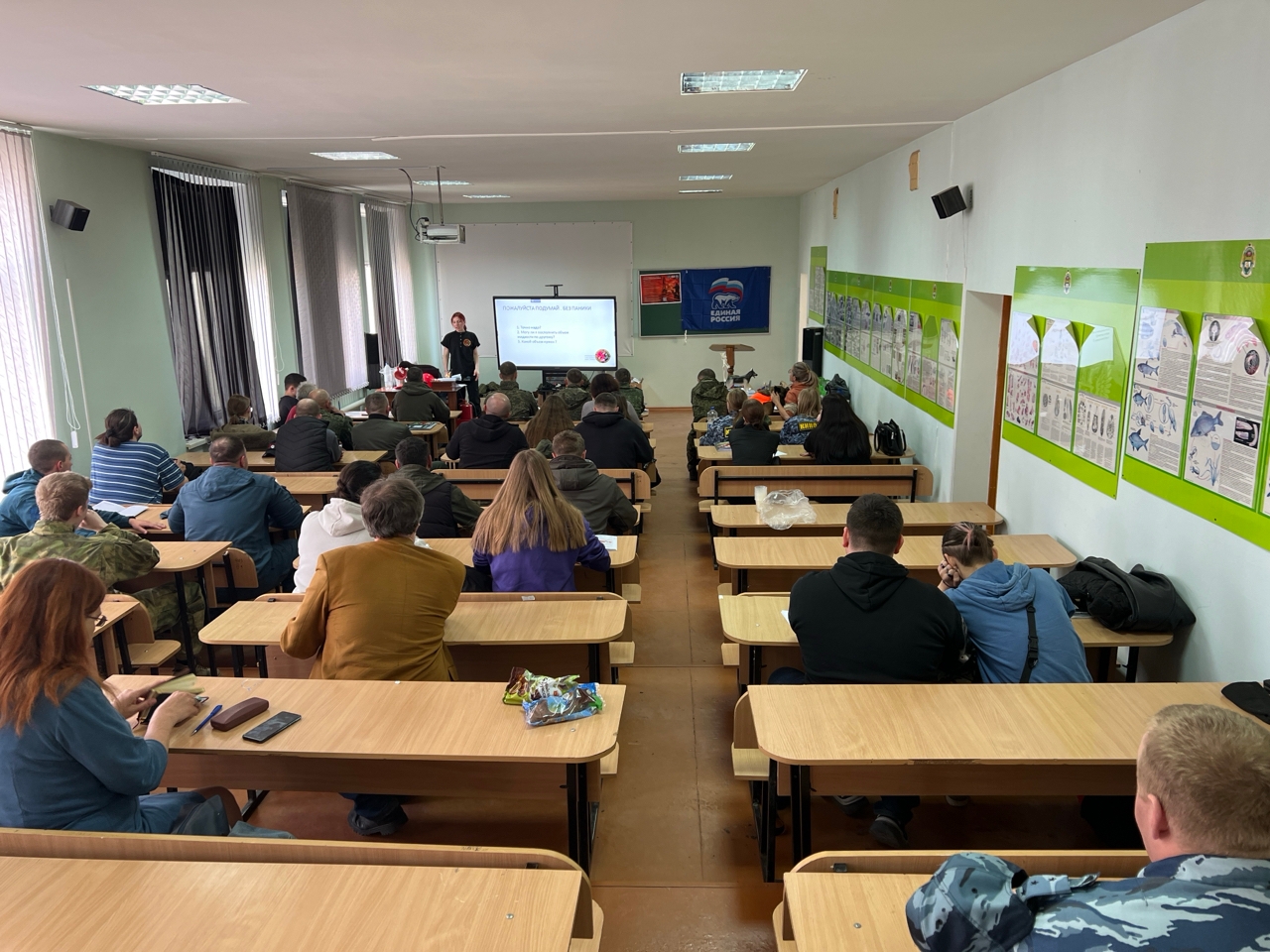
Initially, the training program took just a few hours. Now, it is a two-day tactical medicine course consisting of two parts: theoretical and practical.
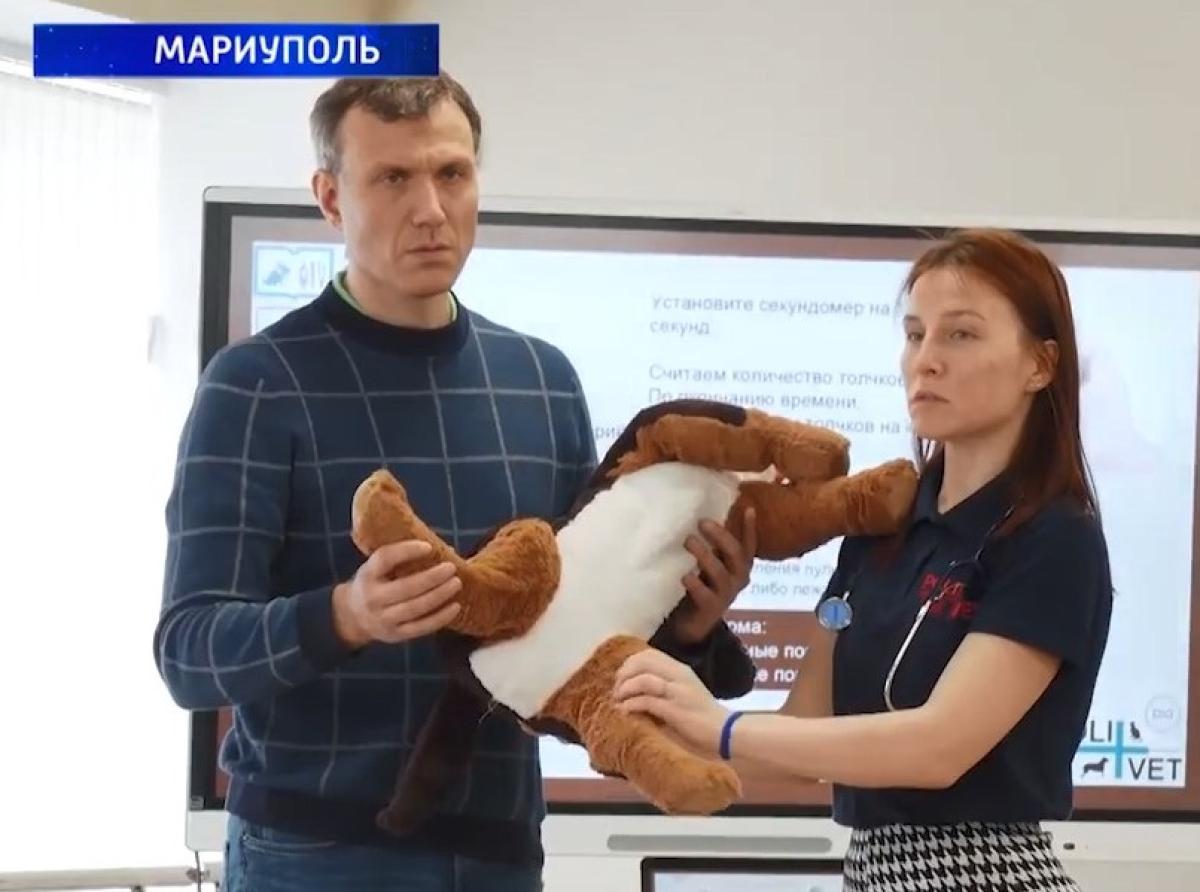
The goal of the training is to introduce the general basics of veterinary medicine so that a person can assess the condition of their four-legged companion and, if necessary, provide pre-medical first aid. On the first day, participants learn about the dog's physical norms and study diagnostics.
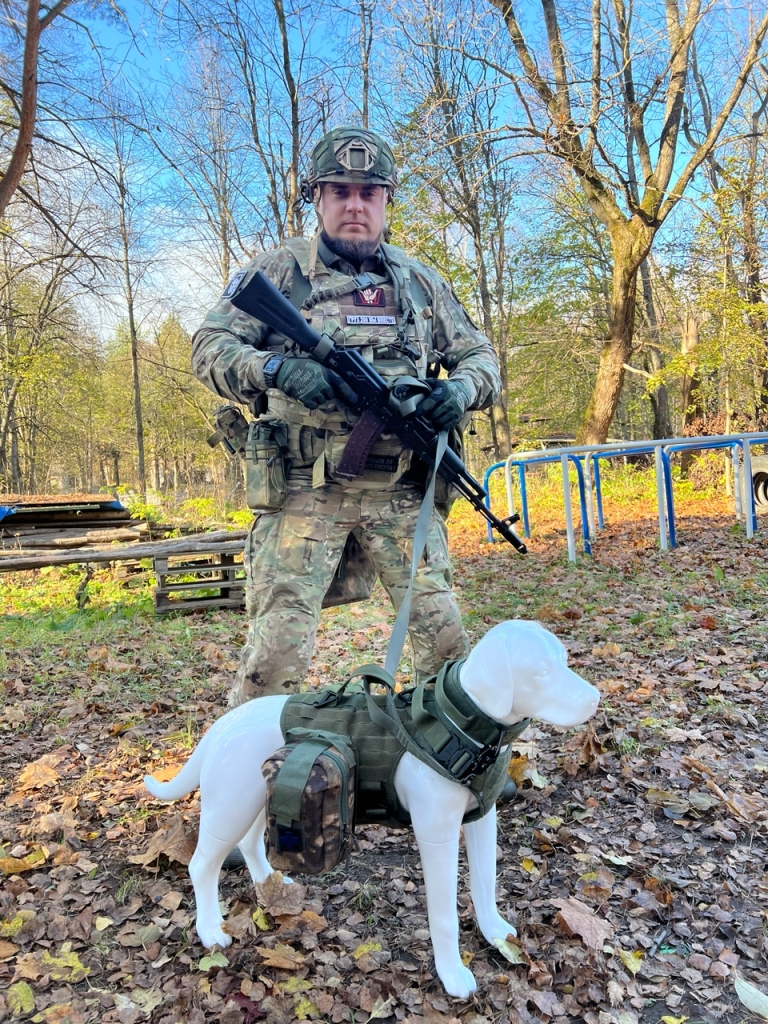
On the second day, participants reinforce their practical skills on specialized trainers and manikins to help save four-legged animals. They learn how to properly bandage the dogs, set up IV drips, administer intravenous injections, stop bleeding, pack wounds, apply sutures, and perform other medical procedures.
At the conclusion of the training, participants are given veterinary first-aid kits packed with essential medicines and emergency supplies. These include: antipyretics (fever reducers), analgesics (painkillers), hemostatics (blood-stopping agents), antidotes (for poisoning), pyro-Stop (for tick bites), gel wipes, medical probes, tourniquets, markers, IV sets, medical scissors and other gear.
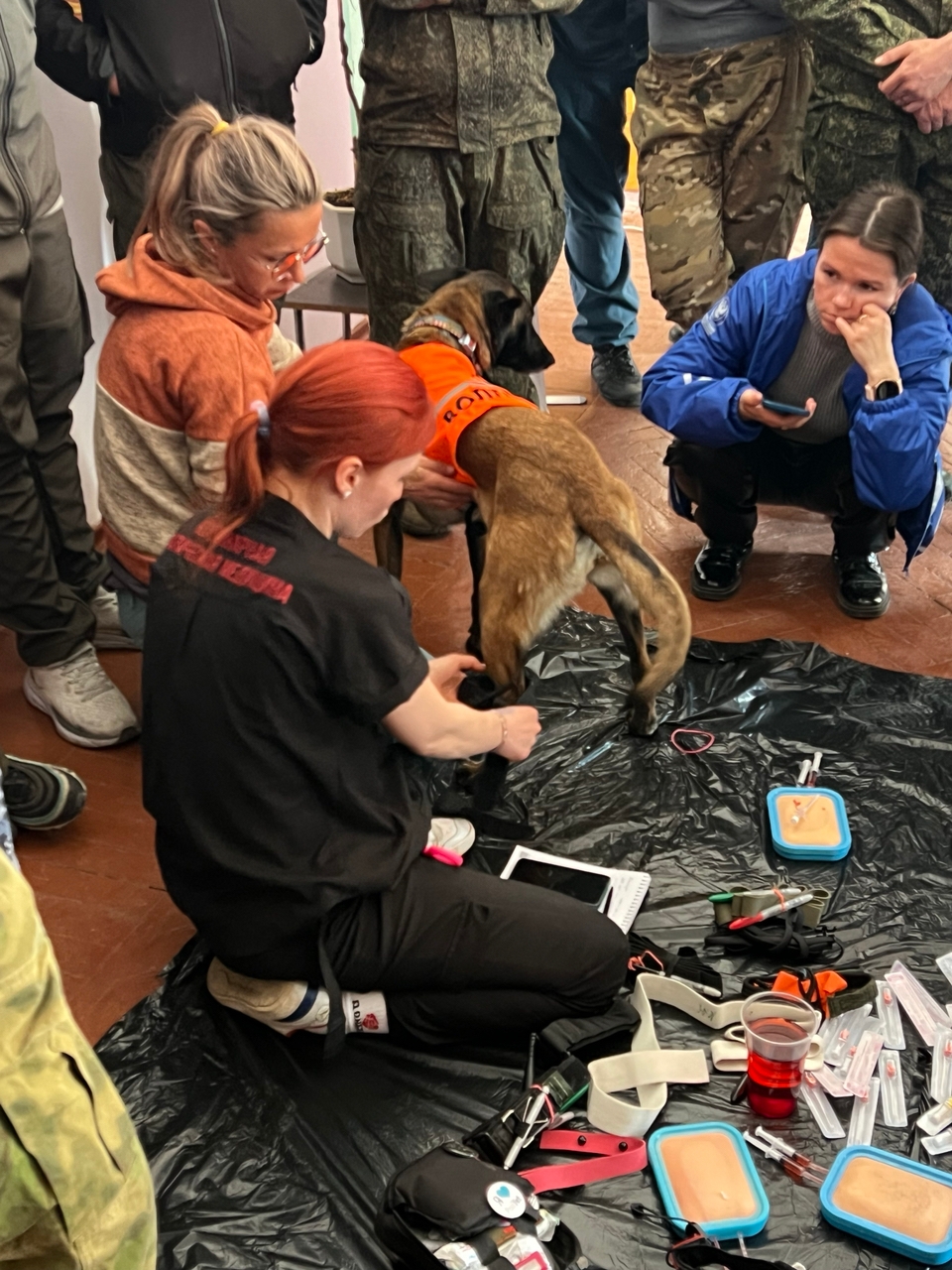
"Polivet" center staff members not only teach the basics of veterinary medicine but also operate on wounded dogs in Donbas. They also spay, neuter, vaccinate, and, when necessary, take injured animals back with them.
During one of their deployments, fighters from the "Espanola" unit brought in their four-legged friend—a Malinois named Phoenix. The dog had been severely injured after getting caught under the wheels of armored vehicles. The poor animal, suffering from a fractured hip joint, was transported over a thousand kilometers away to Zelenograd. At the veterinary center, he was fitted with an endoprosthesis, and the dog successfully stood on his feet again. He also found a new owner—a rehabilitation specialist from the clinic.
During another trip, the veterinarians picked up another pup along the way. Noticing shifting bundles, the volunteers stopped. Of the two barely alive puppies, they managed to save only one. The foundling was brought to the center, where it turned out that all of his paws were fractured. The little pup was put back together almost piece by piece. They named him Lego. Today, this dog is a beloved pet of another doctor at the clinic.
Over the course of four years, the veterinary center staff have traveled on humanitarian missions to the SMO zone more than 25 times. For their compassionate and educational efforts, the project's organizers and activists have been honored with prestigious awards.
According to the mission participants, caring for the health of pets is deeply important, as interacting with animals benefits everyone. Dogs, cats, and even mice that unexpectedly find themselves at military positions not only help cope with stress but, most importantly, teach compassion.
Photos from the archive of Vasily Sychev, video stills courtesy of "Mariupol" TV chan