

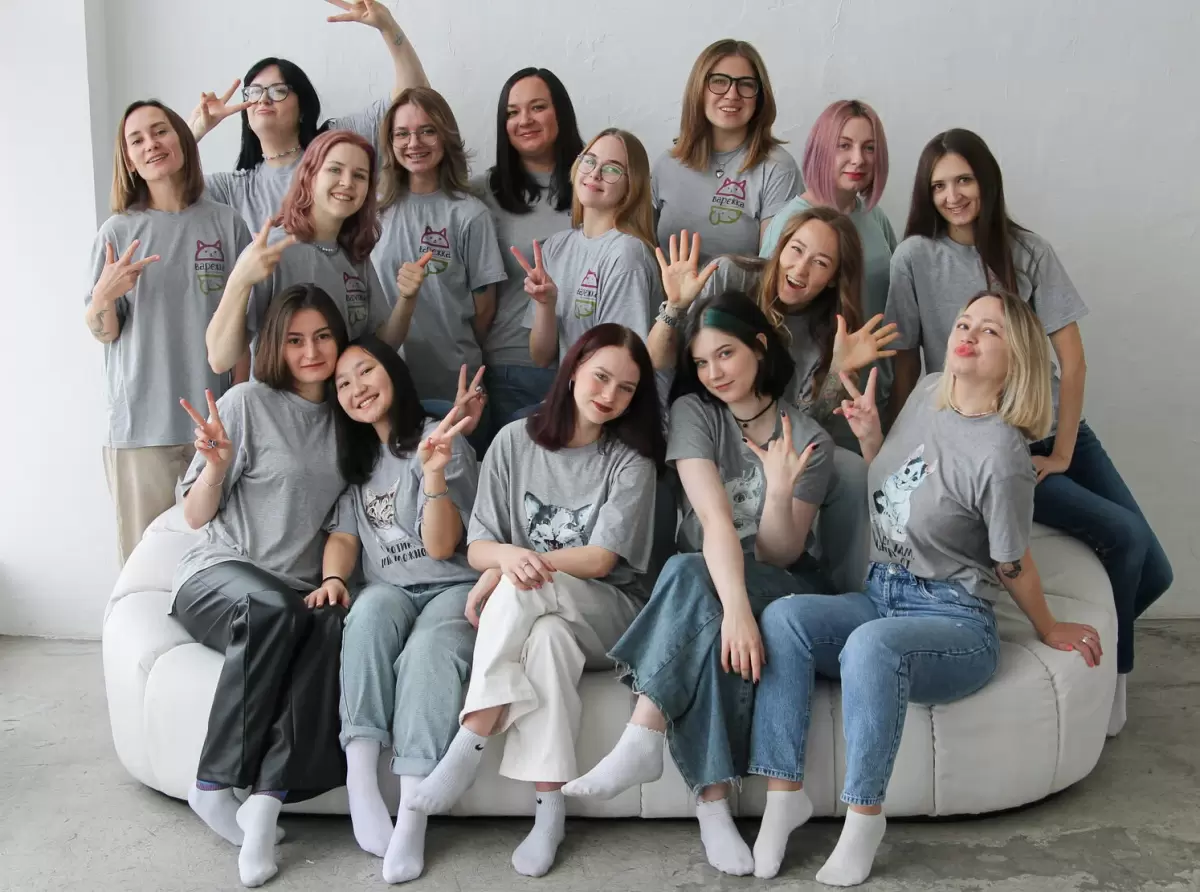
Nomination “Responsible for those”: The Varezhka Charity Foundation rescues, treats and finds homes for injured, abandoned, and homeless cats and dogs.
Nomination “Responsible for those”: The Varezhka Charity Foundation rescues, treats and finds homes for injured, abandoned, and homeless cats and dogs.
The Varezhka Charity Foundation, named with a deep sense of warmth and tenderness, is run by two staff members alongside a small, deeply dedicated team of volunteers. For years, they have provided care for vulnerable and stray animals. The foundation's activists first brought their efforts together back in 2012 while volunteering at a shelter in Novosibirsk.
"By 2017, we had gained experience, found inspiration, identified systemic issues and formed our own vision of what animal welfare work should look like in our city. As a result, we took the plunge and registered our own foundation. For a long time, the organization was led by Anna Starodub, and in May of this year, Galina Troschenkova succeeded her as director," the volunteers shared.
"Varezhka" does not have its own large shelter. The foundation has about 100 cats and a dozen dogs under its permanent care, but they all live in volunteers' homes or at paid temporary foster homes. The organization also runs a small, cozy "cat room" for those rescues who haven't managed to find a temporary home yet.
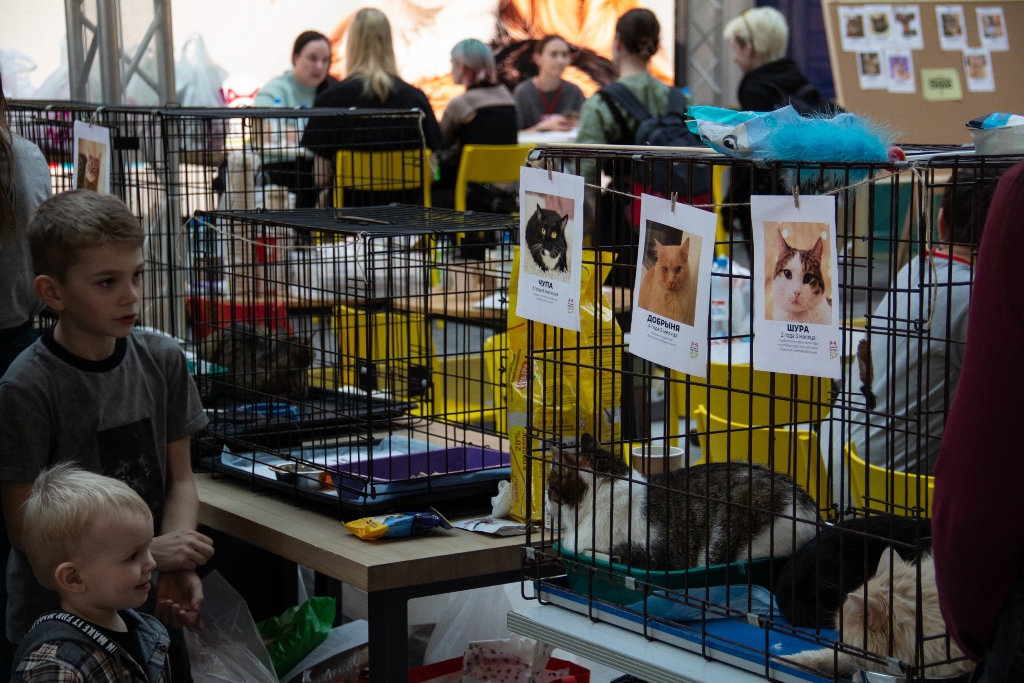
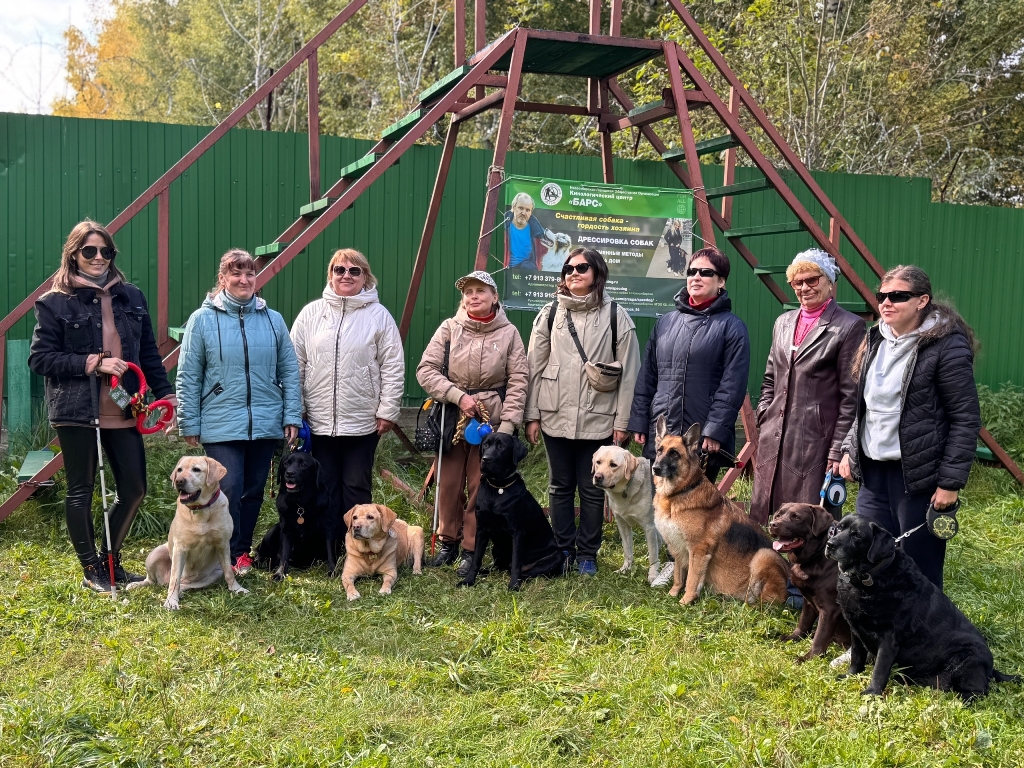
In addition to rescuing animals, the foundation is actively involved in educational activities. Volunteers conduct 'Lessons of Kindness' in schools, organize lectures by veterinarians, and host eco-cleanup events as well as meetings for owners and their guide dogs. Furthermore, the animal rights activists were the first in Novosibirsk to host large-scale city adoption fairs.
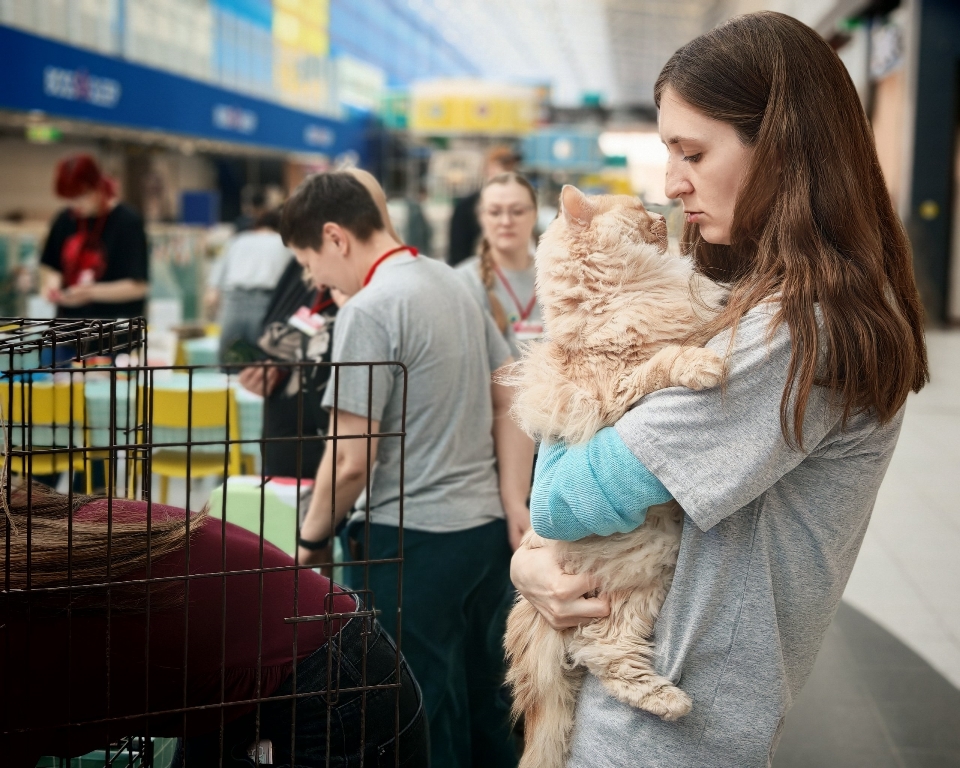
"For us, rescuing an animal isn't just about taking it off the street; it's about giving it a full, happy life and finding a family that will truly care for it," emphasized Galina Troschenkova, Director of the Foundation. "Before being rehomed, every animal under our care goes through a full cycle: parasite treatment, vaccination, sterilization, and mandatory microchipping.”
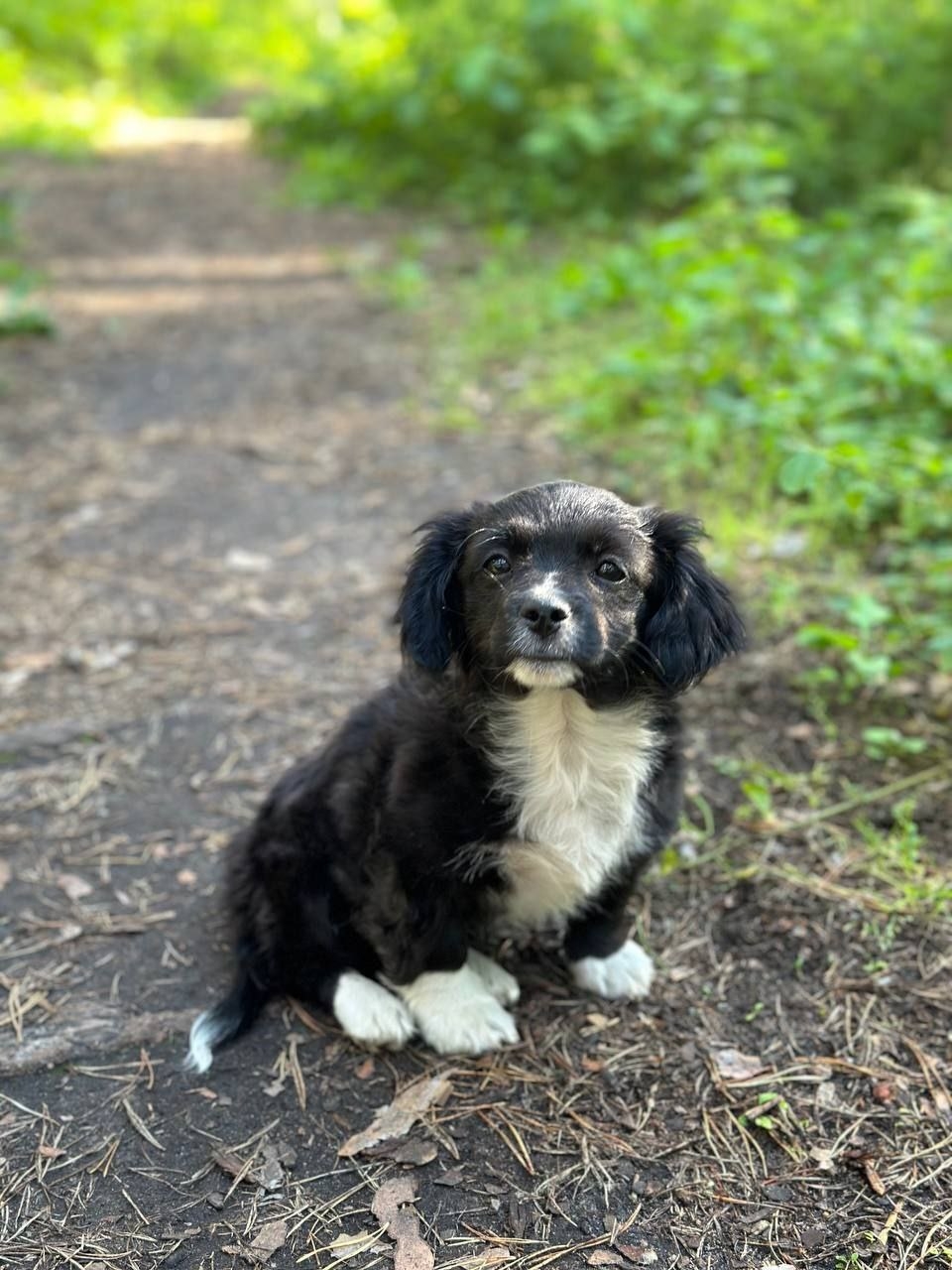
Volunteers select future owners just as strictly: potential adopters fill out a detailed questionnaire, undergo an interview, install 'PetScreen' ('Anti-cat') protective meshes on their windows, and sign an official contract.
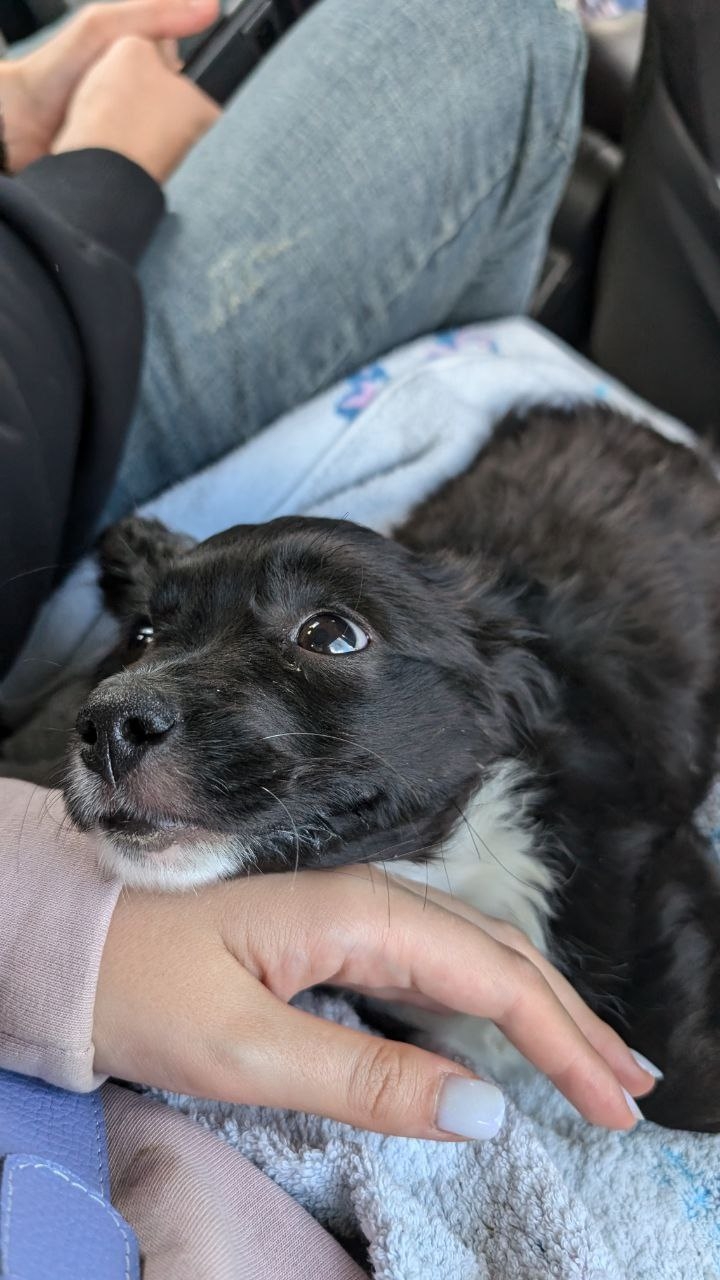
Over the years, the volunteers have accumulated many remarkable rescue stories. One of them is about Whoopi, a homeless female puppy who became a true star of a hockey match. A couple of years ago, during an annual charity trip to Altai, the Siberians noticed a young dog with a small puppy by the roadside. The animals were surviving at a bus stop solely thanks to tourists who fed them. The trip participants couldn't leave the helpless strays on the street, so they took the furry family with them to Novosibirsk.
As part of a charity event, the 'Sibir' Hockey Club invited Whoopi to one of their home games. An adoption fair was held right at the stadium, and when fans saw the charming dog's picture, they decided to adopt her into their family. A year later, during a match against Ufa's 'Salavat Yulaev', Whoopi took to the ice at 'Sibir-Arena' once again—but this time as a beloved family pet. To the roaring applause of the stands, she and her owners took part in the ceremonial puck drop.
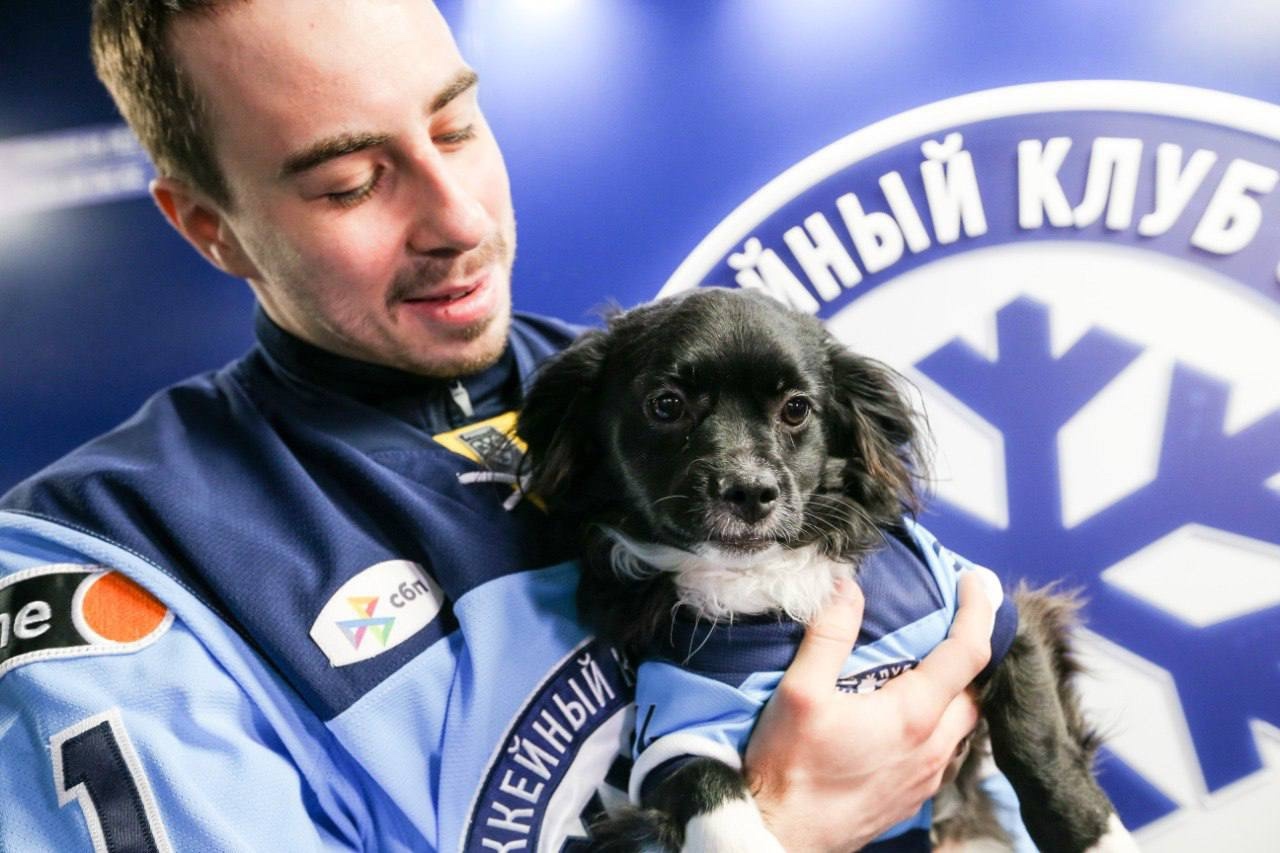
"Sometimes, behind such a happy adoption lies an immense amount of work by the 'Varezhka' team," explained Galina Troschenkova.
Unfortunately, the volunteers frequently have to confront human irresponsibility and animal cruelty. In the spring of 2026, Novosibirsk was shocked by the rescue story of 46 emaciated and sick Scottish Fold cats from a typical city apartment. The apartment owner had once run a cattery and bred the cats, but lost control of the situation, NGS.RU reported. Dozens of purebred animals fell victim to uncontrolled inbreeding and genetic mutations.
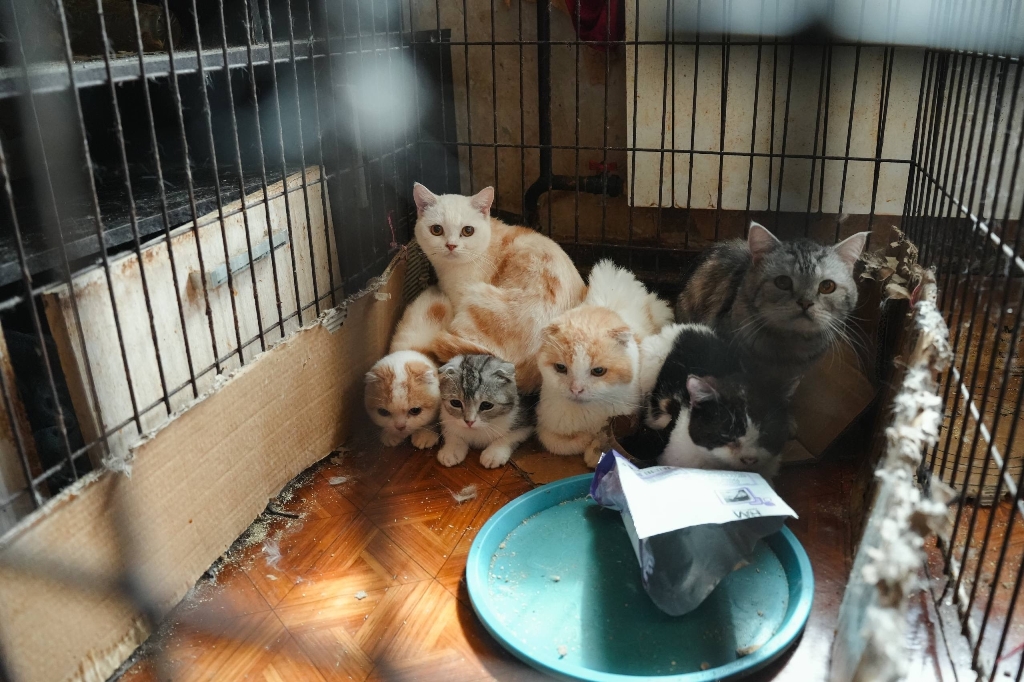
"Scottish Fold cats require strict breeding rules. When we saw the condition of these animals, we realized that they had health issues, and many of the cats suffered from genetic diseases," shared Valeria Kalyuzhnaya, a volunteer at the foundation.
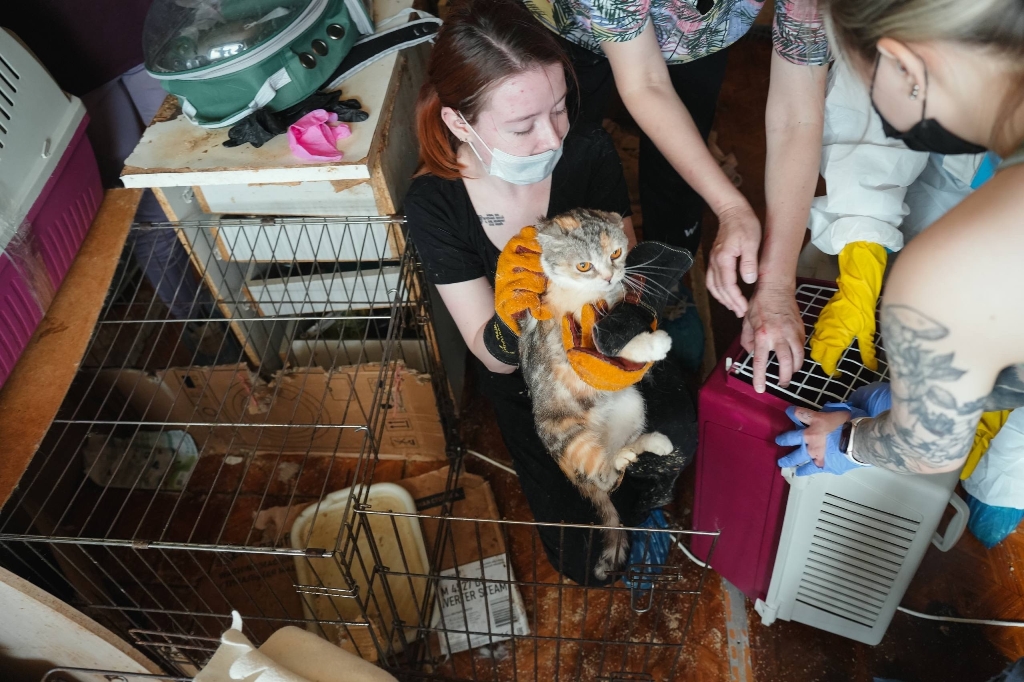
One of the cats, named Slonya (Slononozhka / Little Elephant), was diagnosed with a severe form of osteochondrodysplasia—due to joint deformity, her paws are greatly enlarged. While the condition is incurable, the volunteers managed to manage her pain and bring back her joy of life through supportive therapy. Now, the charming Slonya is doing wonderful in her forever home with one of the foundation's volunteers, where she has already befriended a dog named Ruta.
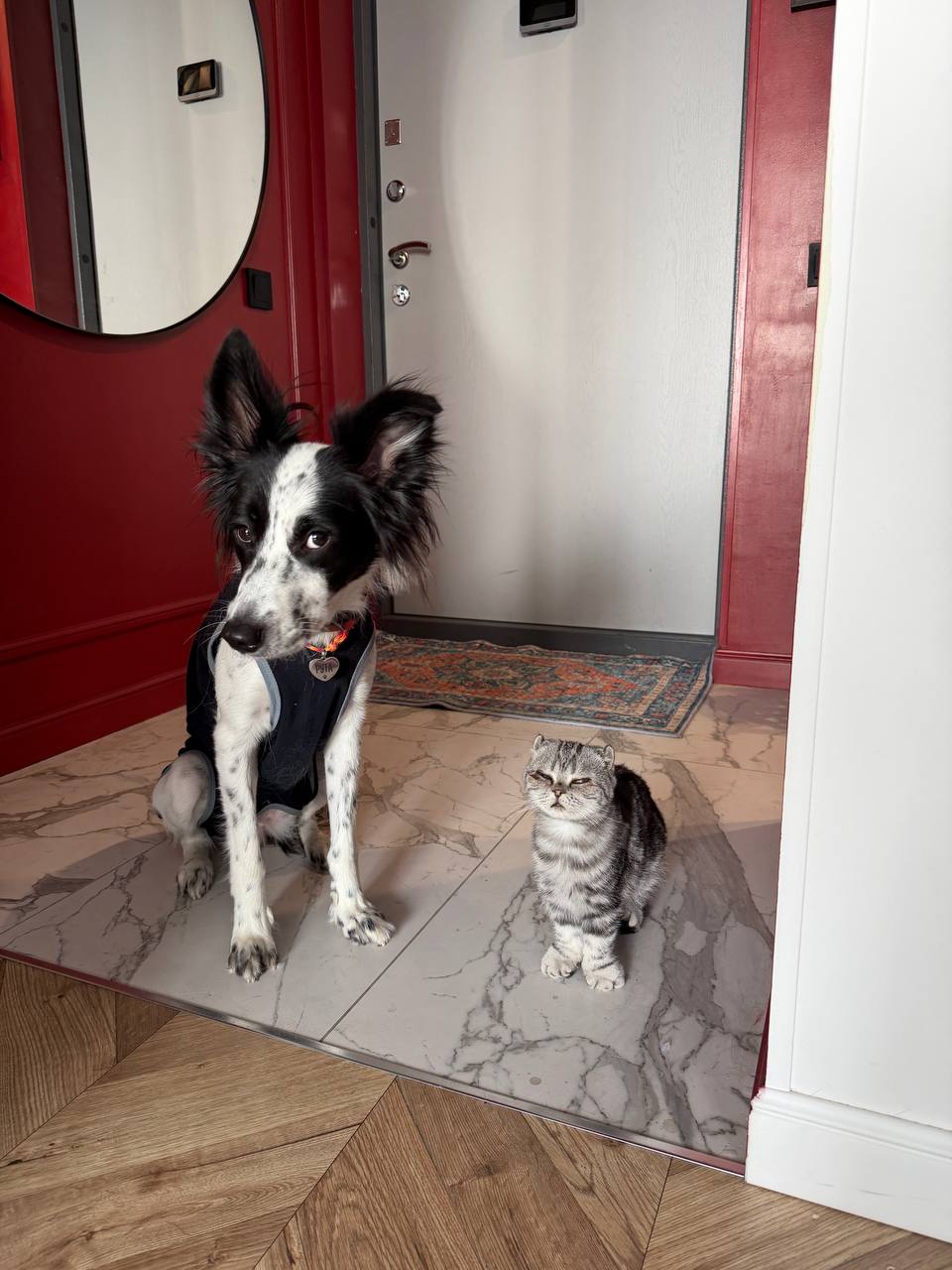
"Veterinarians have started confirming the same diagnosis for the other cats as well, though in a milder form. They have shortened legs, ears, and tails, and some have deformed faces," Valeria noted.
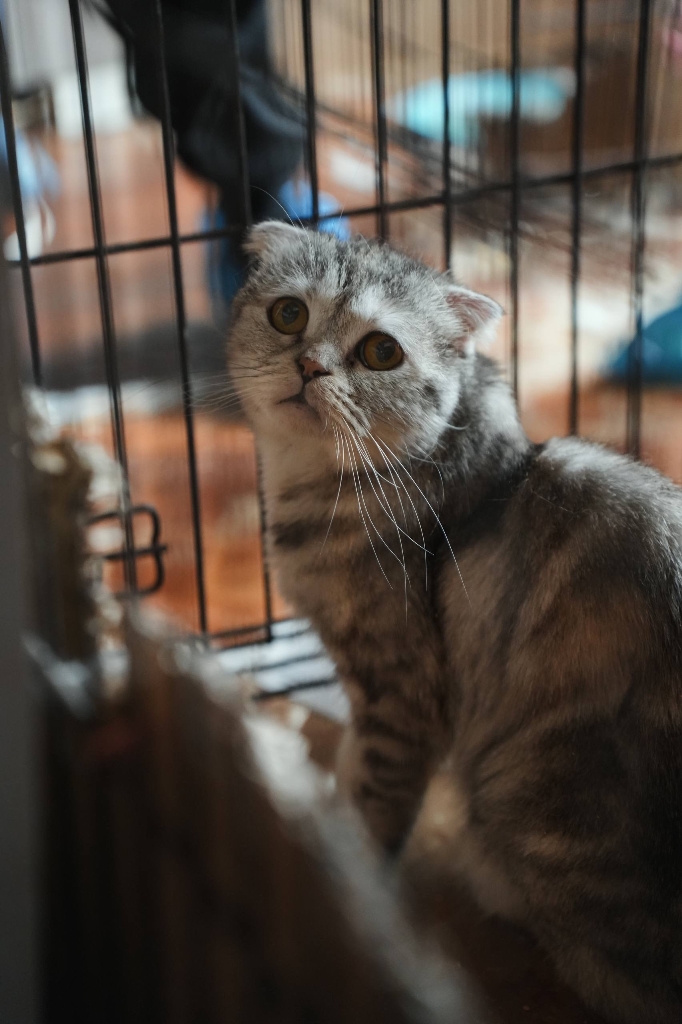
The volunteers plan to rehome the rescued animals only after they have completed their medical treatment and sterilization. Due to prolonged starvation and a lack of proper care, the cats developed internal organ diseases, including gastrointestinal issues. Most of the rescues also suffer from dental problems. 'Some had all of their teeth removed, while others had only a part extracted. However, there is still a long way to go, as almost all of them have teeth in terrible condition,' the foundation shared.
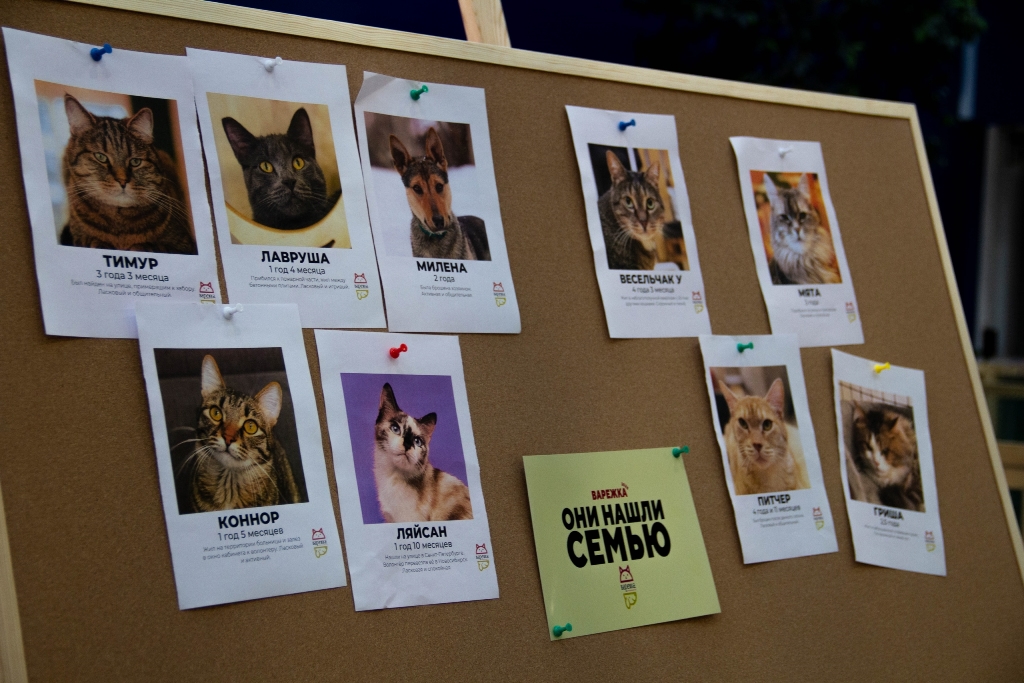
According to the volunteers, the rescue of the 46 cats is not a simple story of saving, preparing, and rehoming them. The four-legged rescues face long-term treatment and lifelong health monitoring. 'We make sure to inform all potential owners about this, as it is incredibly important and necessary for the happy life of the pets,' Valeria emphasized.
Four months later, the rescues have gained good weight, filled out, and turned into charming, plush bundles of joy. The volunteers hope that every Scottish Fold will find kind and caring hands. Some of the rescues have already moved into their new homes.
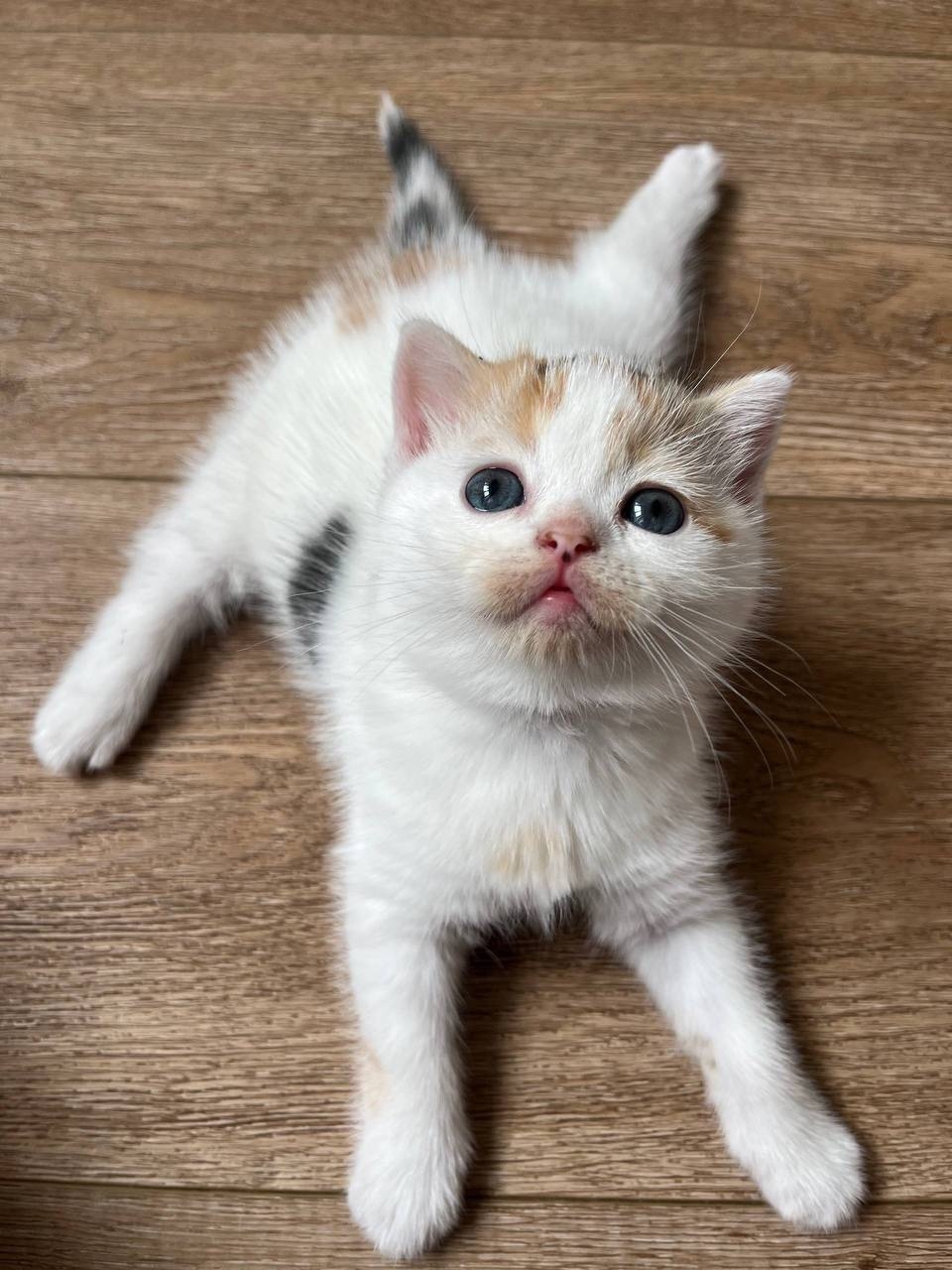
The very first to find a loving family was baby Lou. The gentle little kitten was born with incurable cerebellar ataxia (a neurological coordination disorder). Because of the illness, she will always have a wobbly gait. Nevertheless, thanks to regular sessions, special exercises recommended by a rehab specialist, massages, and developmental games, Lou is adapting successfully, learning to control her body and orient herself in space.
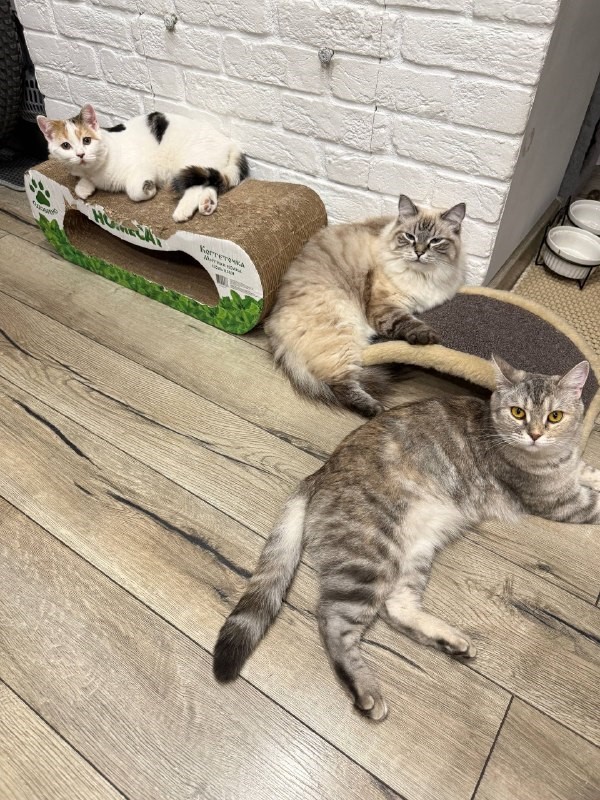
Over the course of its existence, the 'Varezhka' Charity Foundation team has shared its warmth and rehomed more than a thousand of our smaller brothers, saving them from the streets and from irresponsible owners. "We would be delighted if you decide to join our team. We need proactive and responsible people who care! After all, our motto hasn't changed for many years: “Saving a life is easier than you think!”' — the animal rights activists appeal to their fellow citizens.
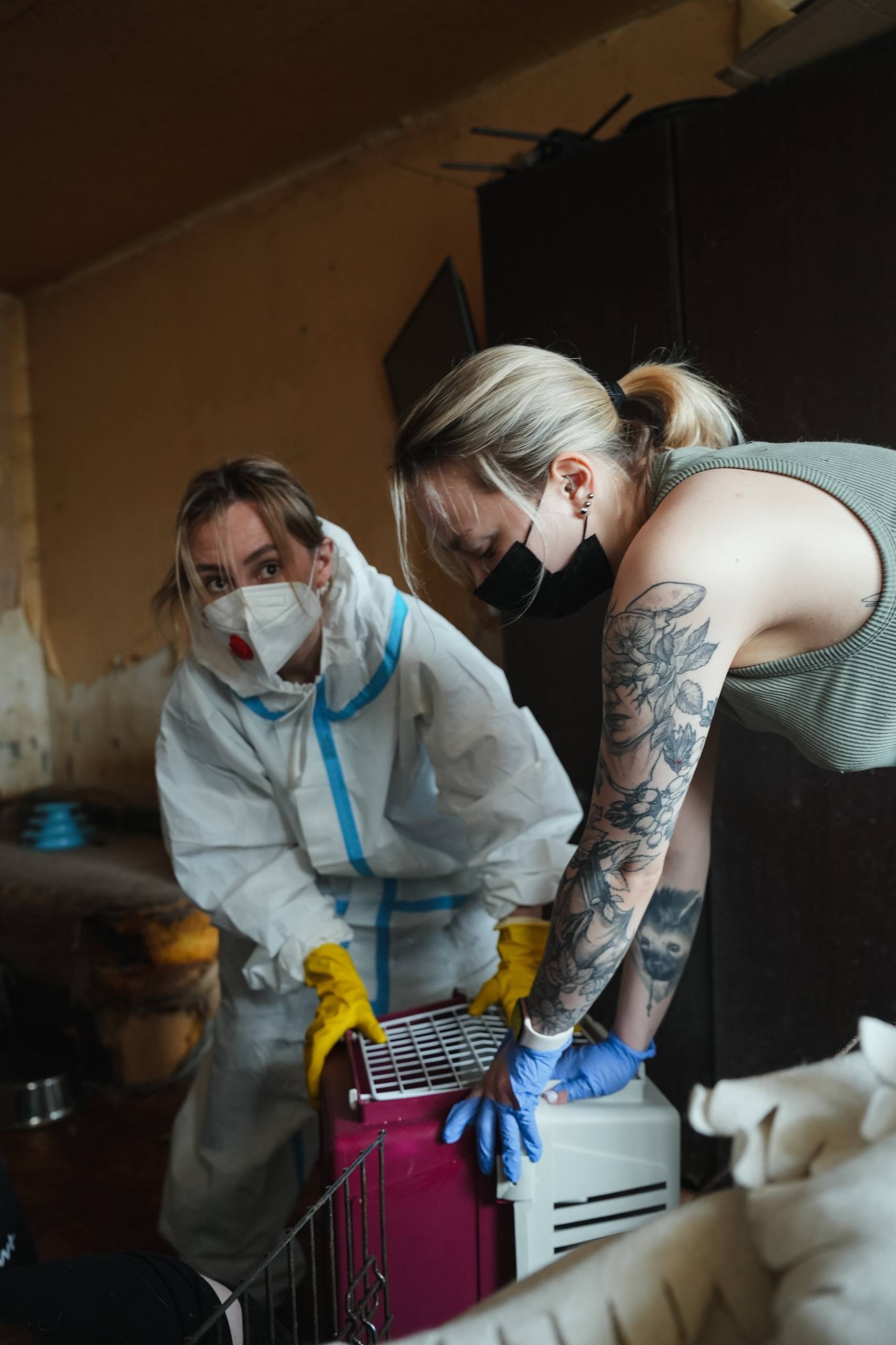
Photo from the archives of the 'Varezhka' Charity Foundation.