

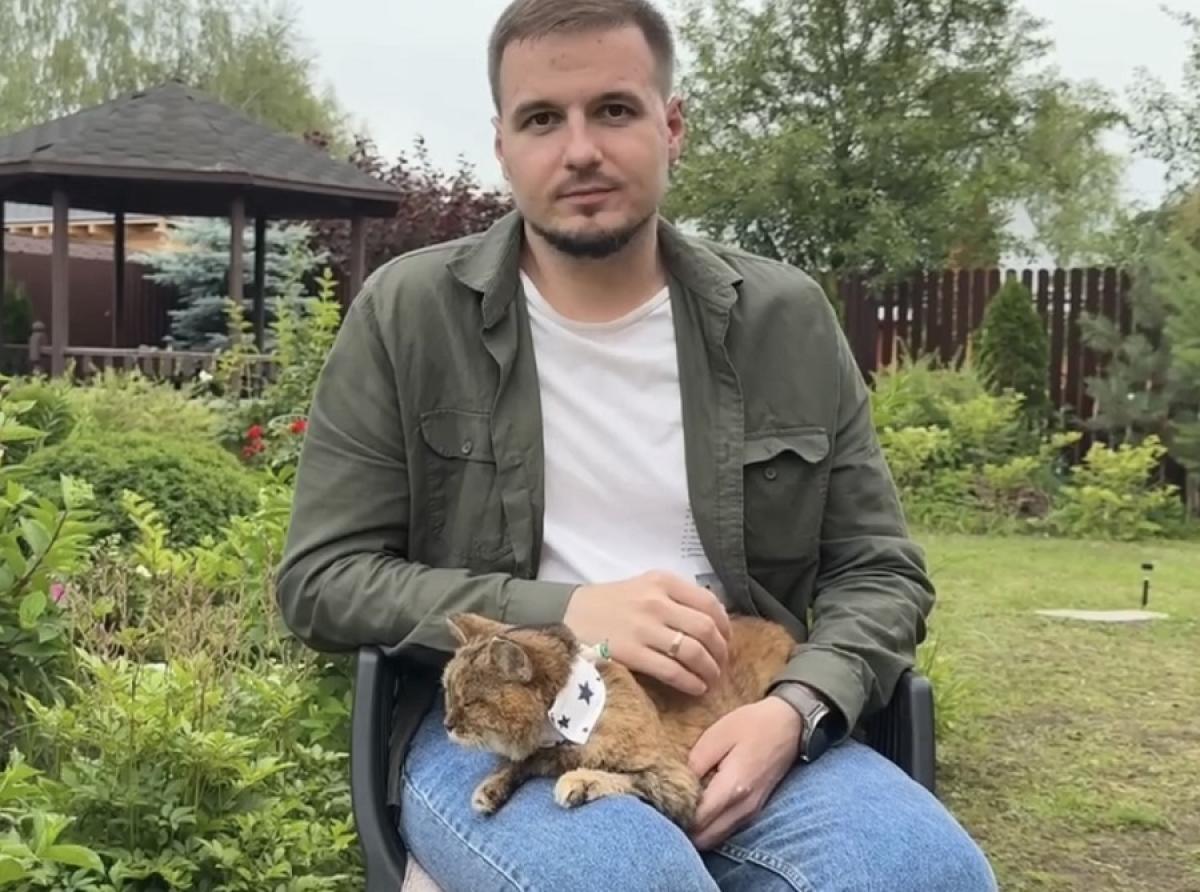
The nomination "Responsible for those...": A single portal where all information about animals will appear is created by the non-profit organization "One Blood".
The idea of creating a portal of "One blood" did not appear by chance. Its author Rostislav Akalovich faced the problem personally. It happened that Rostislav's cat was diagnosed with cancer, and a blood transfusion was urgently needed for treatment, " writes Dobro.Press".
"I've been through it myself. My cat named Rysya has a rare blood type "B". It occurs in about 10% of cats. Even in Moscow, finding a suitable animal donor is a real quest. I felt powerless when trying to help a friend. Rysya was saved, but she needed transfusion six times. And every time I faced a problem," says Rostislav.
Due to the lack of blood or donors, xenotransfusion is often practiced in veterinary clinics. This is a blood transfusion to an animal from an unsuitable species. For example, from dog to cat or from human to dog. Those who often encounter diseases of their pets complain that there are practically no stocks of donated animal blood in Russia.
"The search for a donor is turning into a real marathon: dozens of calls to veterinary clinics, refusals, lack of information, scattered databases. It is extremely difficult to find suitable blood. This is how the idea of creating a single service was born, which will: unite verified donors; simplify the search for blood by type and type of animal; make the process safe and transparent," Rostislav Akalovich shares his story.
According to him, in the autumn and spring periods, when outbreaks of pyroplasmosis occur, finding blood for dogs is generally considered a great success. The volunteers' own research showed that more than 42% of the owners had to deal with the problem of finding blood for their pet. The same number could not find a donor during the first day. Attempts by 10% of them were not successful at all.

But blood transfusion is usually required urgently. The One Blood Center is confident that the animal donation portal of the same name will be able to solve this problem, if not completely, then at least seriously get it off the ground. On this platform, veterinary clinics will be able to post information about their stocks and find new donors to replenish them. Then pet owners will not have to call hospitals – all information will be on one portal. The first animals on the list of donors will be from Moscow, St. Petersburg and cities with millions of inhabitants.
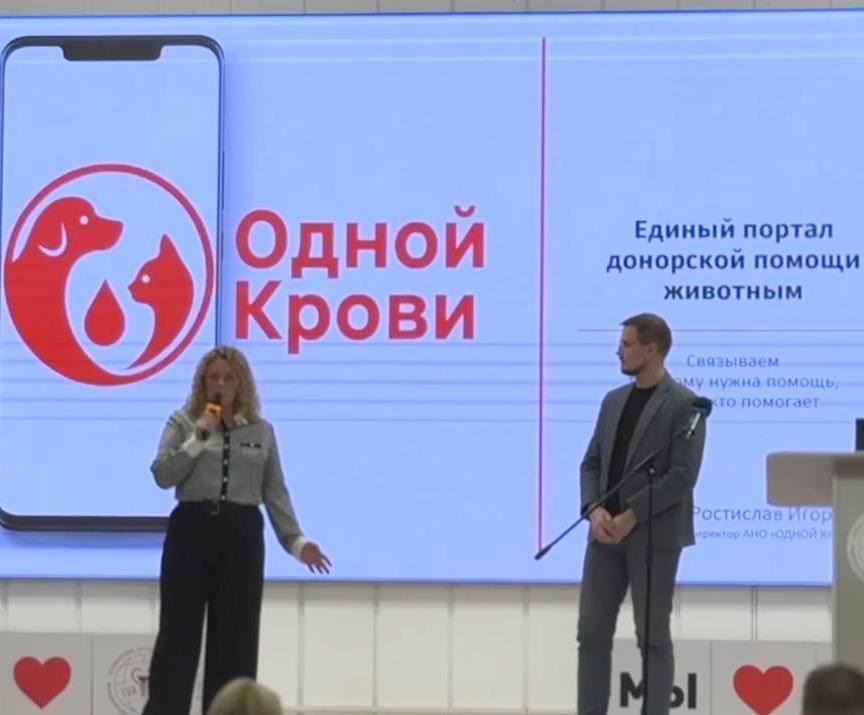
There is another aspect to this story - "black donation", when animals are used literally as slaves, forcing them to donate large amounts of blood and not allow them to recover. Such animals, as a rule, do not live long. Moreover, many owners donate their pets solely for money.
That is why the NGO "One Blood", together with the National Veterinary Chamber, took the initiative to develop Common standards for animal donation in Russia.
Photos from Rostislav Akalovich's personal archive.