

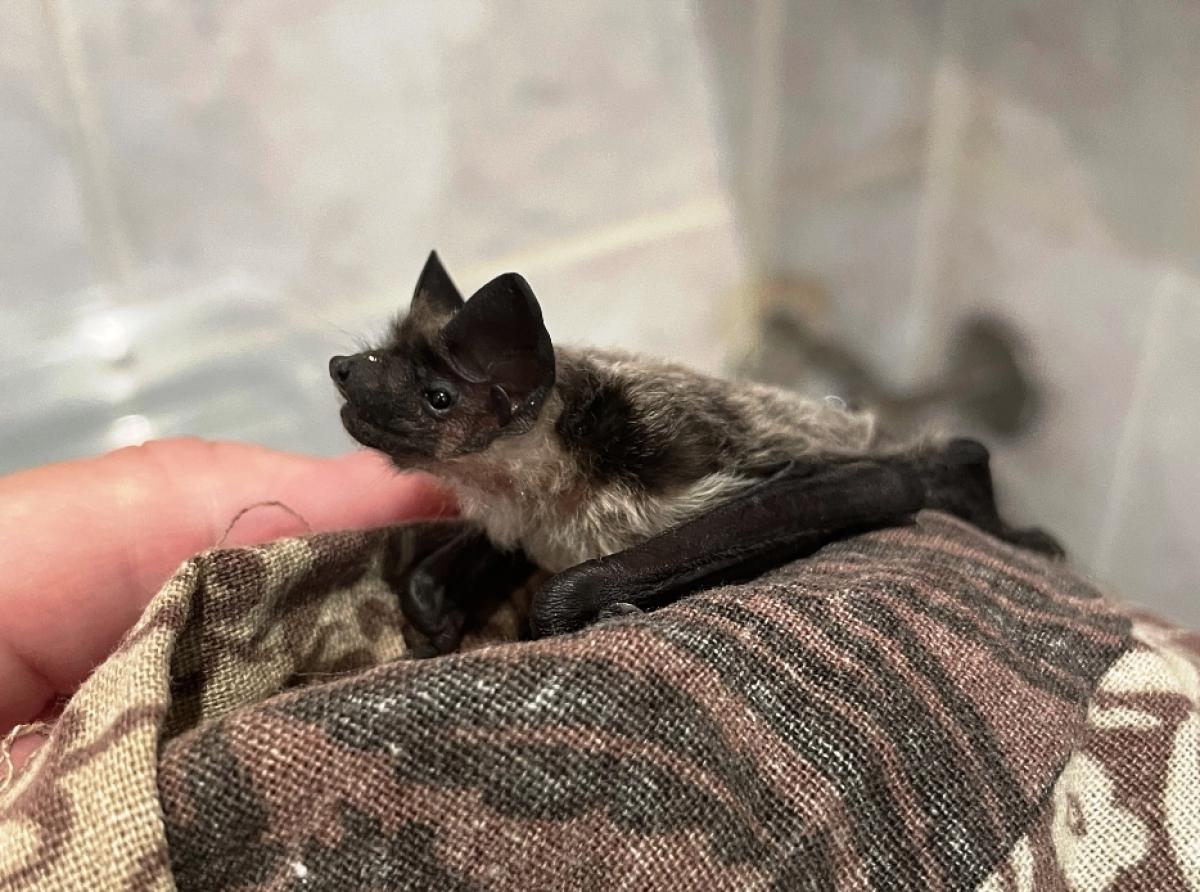
Nomination "Responsible for those": Since February 2024, the Lipetsk Zoo has been participating in the Eurasian Regional Association of Zoos and Aquariums (EARAZA) program "Protection and Rehabilitation of Chiroptera."
Bat populations are declining everywhere as their natural habitats are gradually being destroyed. Therefore, chiroptera are forced to settle close to humans, which is why people have started encountering them more often in everyday life.
For the third year already, the Lipetsk Zoo has been rescuing and rehabilitating these rare animals – bats. Within the framework of the EARAZA conservation program, which aims to preserve chiroptera populations, the bats are taken in for temporary care and medical treatment. Additionally, staff members study these winged creatures and maintain statistics. According to available data, 14 species of bats inhabit the region. All of them feed on insects and pose no danger to humans.
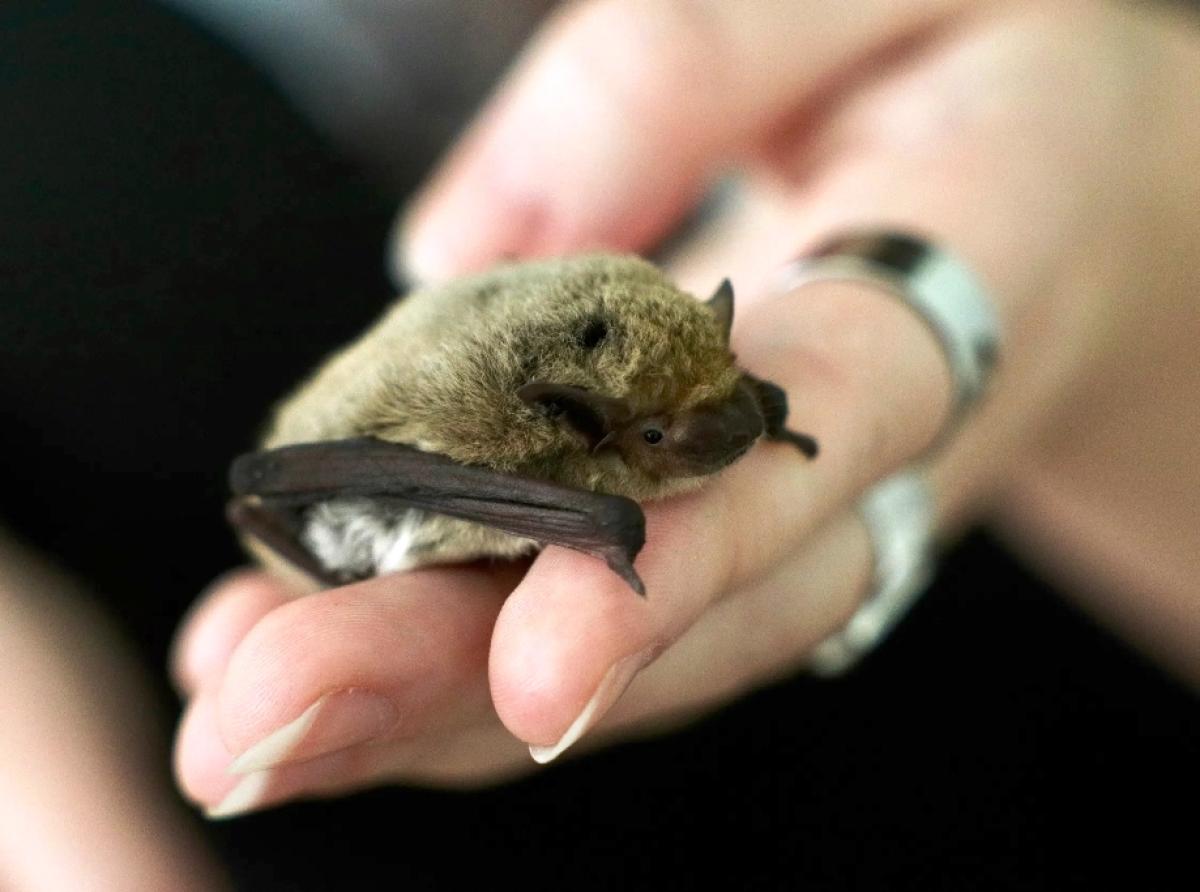
The first bats in need of emergency assistance arrived at the zoo in December 2024. Most of the injured animals were brought in by caring residents of Lipetsk. In some cases, when locals were afraid of the bats, zoo staff traveled to the location to help people "catch" the animal and to explain how to interact with it properly and why they should not be afraid. Twice, the small creatures were handed over by civil defense and emergency situations personnel, who had been called when the bats flew into apartments and houses.
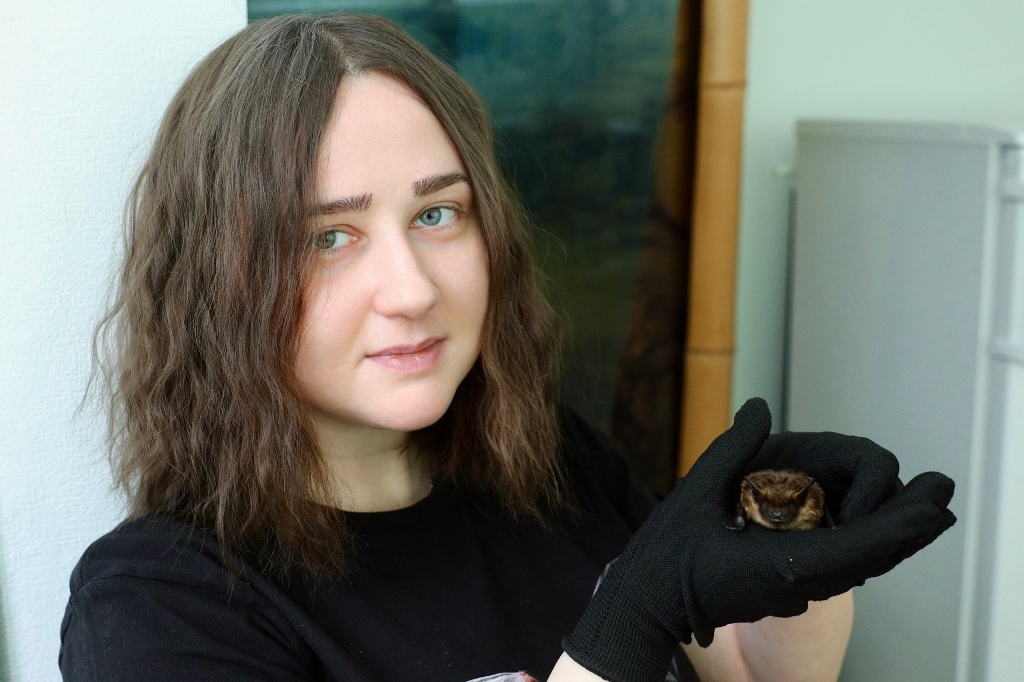
The rehabilitation team consists of three experienced specialists. Under the program, they have already managed to save 23 bats. "The majority of the animals arrive at the zoo during the cold season: from November to March. They are released in May. In the summer, we get either pups or injured little creatures. We release them as they grow up and recover," noted rehabilitator Alexandra Bolgova, a participant in the "Protection and Rehabilitation of Chiroptera" program.
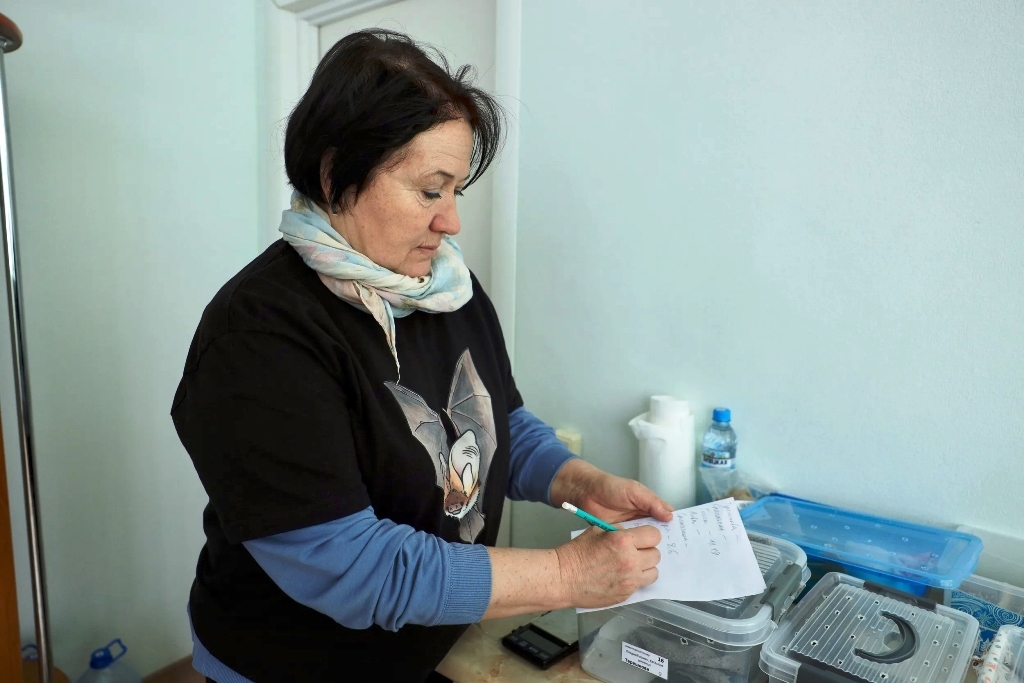
Bats that arrive during the cold season are sent to sleep in a special refrigerator, which maintains the temperature and humidity necessary for hibernation. "But before that, we must make sure that the animal is healthy and has gained enough weight for the winter. As a rule, all the pets have to be fed up for some time. We also give them vitamin injections for prevention and provide sunbaths (UV light exposure)," Alexandra said.
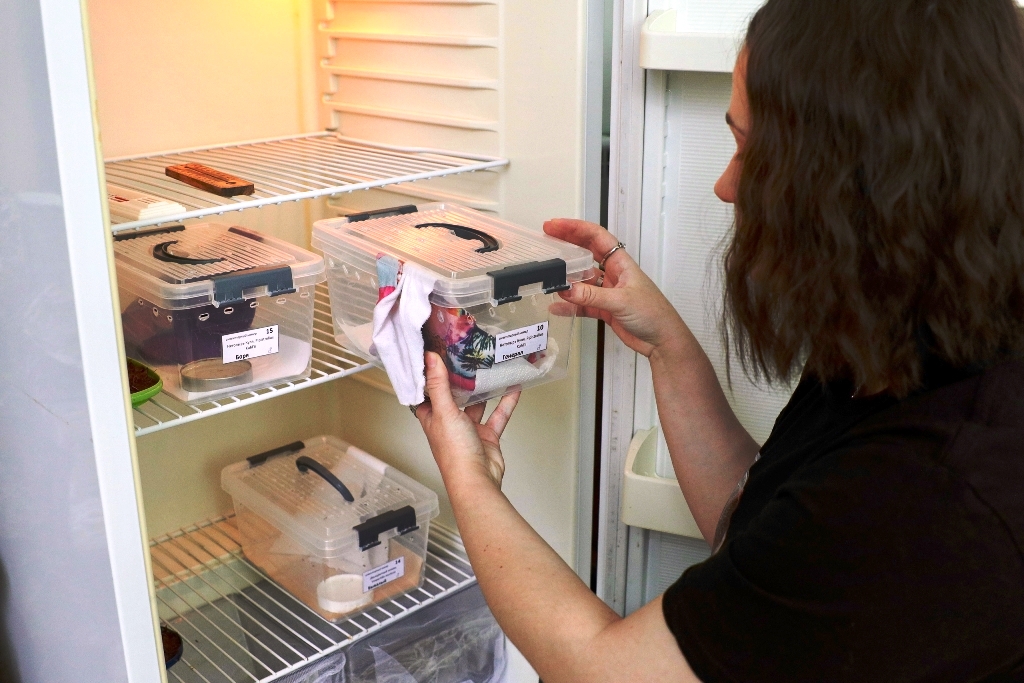
As the zoo explained, the relentless care for their winged guests involves cleaning, feeding, maintaining a healthy seasonal weight, administering vitamins, and conducting flight training. In the winter, it means helping them build up fat reserves and creating the right conditions for hibernation. In the spring, adult flyers practice their flights in a special "flight room." Meanwhile, the young ones train in a specially constructed soft mesh "tube" where the pups can safely fly and fall without fear of getting hurt.
"There is much more work involved with the pups—this means feeding them specialized formulas every two hours, day and night, using a heating pad (to maintain temperature and humidity), hygiene, transitioning them to insects, their first flights, and much more. Sometimes we have to treat injuries. We send severely traumatized animals (with fractures or those torn to their internal organs) to the Moscow Zoo for surgeries and recovery. We try to treat simpler cases on our own, while consulting with Moscow specialists," the rehabilitator shared.
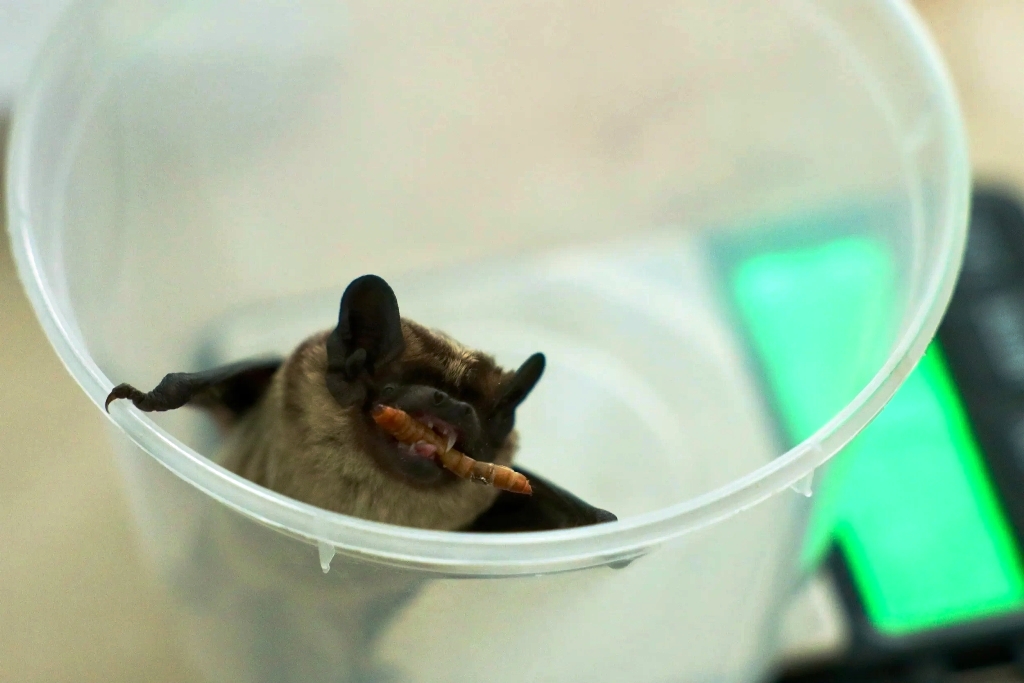
The staff gained their first experience in saving a newborn baby in the summer of 2025. A severely weakened and emaciated female parti-colored bat, just 8–9 days old, was found and brought to the zoo by residents of the village of Preobrazhenovka. The specialists cared for the little one tirelessly, treating her, teaching her to fly, and monitoring her physical indicators. The new guest, named Kroshka (Tiny), required constant care just like all newborns: milk feeding, warming, and medical treatment. When the bat grew up and gained strength, her hunting instinct kicked in, and she completely transitioned to an insect diet, after which the zoo staff released her into the wild—right into the habitat of bat colonies.
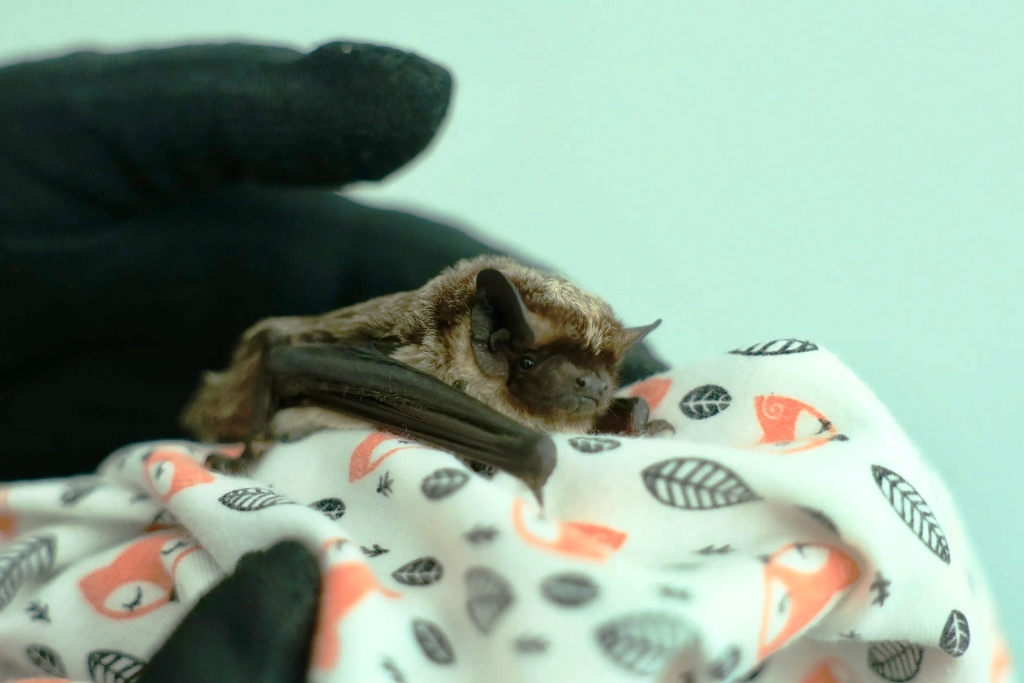
Five species of bats have passed through the kind and caring hands of the zoo staff. Every single rescue animal has its own "little nest" and a favourite piece of cloth to cling to while sleeping. All the pets under the care of the rehabilitators are given names. "We usually name our pets based on the place where they were found or after their striking unique features. We also invite the people who found the bat and brought it to the zoo to come up with a name," Alexandra said.
Among the bats admitted for rehabilitation at the zoo at the very beginning of the EARAZA program was Kuhl's pipistrelle, the very first patient. The small bat was found at the "Delovye Linii" (Business Lines) warehouse, which is why he was named Delovoy (Businesslike). There was also Zlyuka (Crabby) — a parti-colored bat who bared her teeth at the slightest interaction with humans. Her fellow bat, Petra (a serotine bat), was found near the Petrovsky Market, while a female parti-colored bat named Novaya (New) was found in Novolipetsk. Stesha, another parti-colored bat, was rescued from a balcony on Stakhanov Street.The zoo also rehabilitated a common pipistrelle that was so tiny it looked more like a bug than a bat. Due to his miniature size (a forearm length of 3 cm and a weight of 4 g), the little one was named Klop (Bedbug). A female serotine bat was named Kiwi by her rescuers from Tambov, as bats with folded wings look very much like fuzzy little balls. The name for Izyum (Raisin), another serotine bat, was thought up by the children of the Lipetsk resident who found him. Another serotine bat, Aktyor (Actor), was discovered in a drama theatre—could there be any other name for a guy striving for the arts? Finally, Matryoshka (Nesting Doll) was the name given to a pregnant female parti-colored bat.
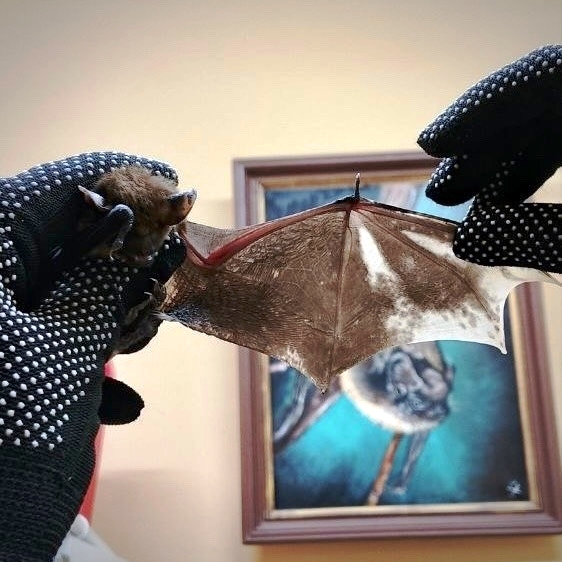
There is also a bat named Tereshkova—a serotine bat that a caring ornithologist rescued from a crow on Tereshkova Street. She remains in rehabilitation due to her injuries. The bat survived a serious illness. She was successfully treated at the Moscow Zoo, but part of her tail and wing membrane had to be amputated. "Usually, this is not an obstacle to release—many animals learn to fly even with a missing part of a wing. White spots also remained on the bat's body, making her look absolutely special and cosmic, perfectly matching her name. Unfortunately, it is still too early for her to fly away from humans," the zoo staff member noted. This bat's day begins with sunbaths, followed by weighing, training, and lunch. "For now, her flights look like gliding with a loss of altitude. But Tereshkova is trying very hard. In her situation, it is important to at least strengthen her muscles and maintain mobility. Therefore, her success is measured not by altitude and maneuvers, but by her active time," Alexandra Bolgova emphasized.
In May of this year, the staff of the Lipetsk Zoo organized a "graduation ceremony" for their recovered pets whose time had come to return to the wild. Some of the animals were released into the wild at the exact locations where they had been found. The main celebration took place on the central beach by the Voronezh River. "The location was not chosen by chance: the river provides an excellent food supply," reported the "Lipetskoe Vremya" (Lipetsk Time) TV channel. Four of the small creatures refused to say goodbye to the zoo staff for a long time. However, instinct ultimately won out, and all the bats flew away.
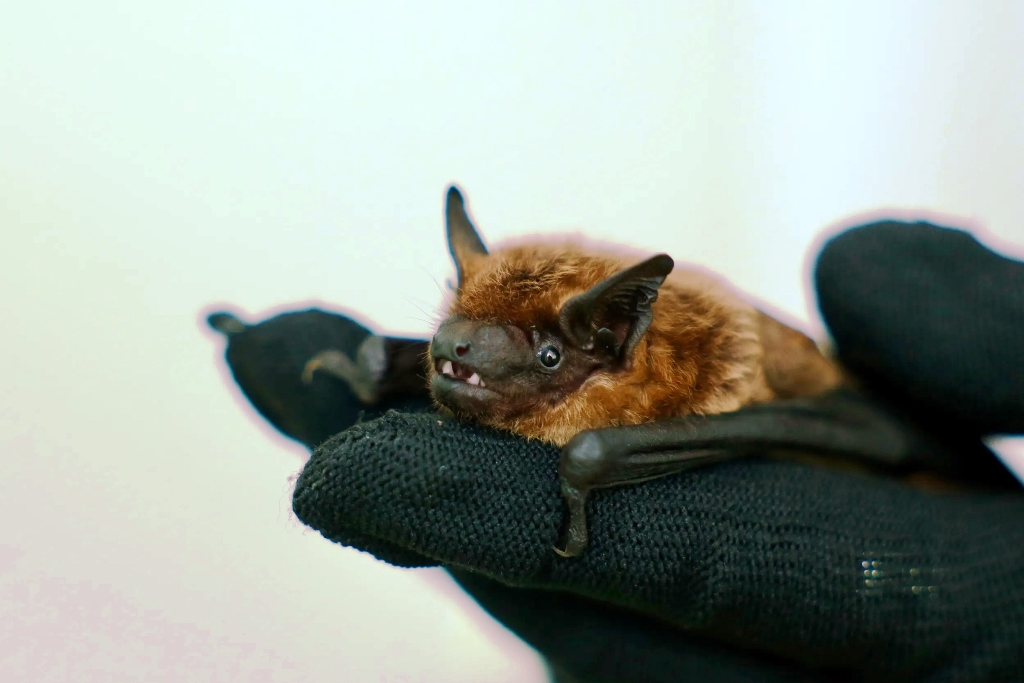
The charming Zvyozdochka (Little Star) has returned to her natural habitat. She received her name from her rescuers. According to Alexandra Bolgova, she was the first common noctule they had received—a gorgeous lady and a true star everyone fell in love with. She arrived at the zoo in very poor condition. However, as a result of timely treatment and care, she grew stronger and recovered. She was released in the exact location where the Lipetsk residents had found her.
Another graduate who returned home is Borya, a Kuhl's pipistrelle. He was brought in on January 3rd by residents of the village of Borinskoe. The tiny bat had been found in the snow; without human help, the pipistrelle was doomed to perish. At the zoo, he was fattened up and nursed back to health. Borya turned out to be quite a rebel. At times, he refused to hang upside down as bats are supposed to do, preferring to occupy various positions in space, constantly surprising everyone with his tightrope-walking wonders.
Another rescued pipistrelle Kolya returned to the town of Lebedyan, from where he had been brought for rehabilitation in November, emaciated and weakened. The little creature was nicknamed General, in association with General Lebed.
A released graduate named Akva (Aqua) was given her name due to her fondness for water. The pond bat drank regularly and copiously; she especially surprised everyone with the volume of water she consumed on the day she was brought in.
A real Polkovnik (Colonel) — a serotine bat picked up on one of the streets of Lipetsk — also returned to his native home. He was accompanied by the most mysterious patient, Mr. X. A man brought the small animal after the zoo had already closed and silently handed him over to the administrator.
The graduates also included Gosha, a parti-colored bat found on Georgy Plekhanov Street, Snezhinka (Snowflake), a serotine bat that arrived at the zoo just before the New Year, and Spasatel (Rescuer), a similar serotine bat brought in by civil defense and emergency situations personnel.
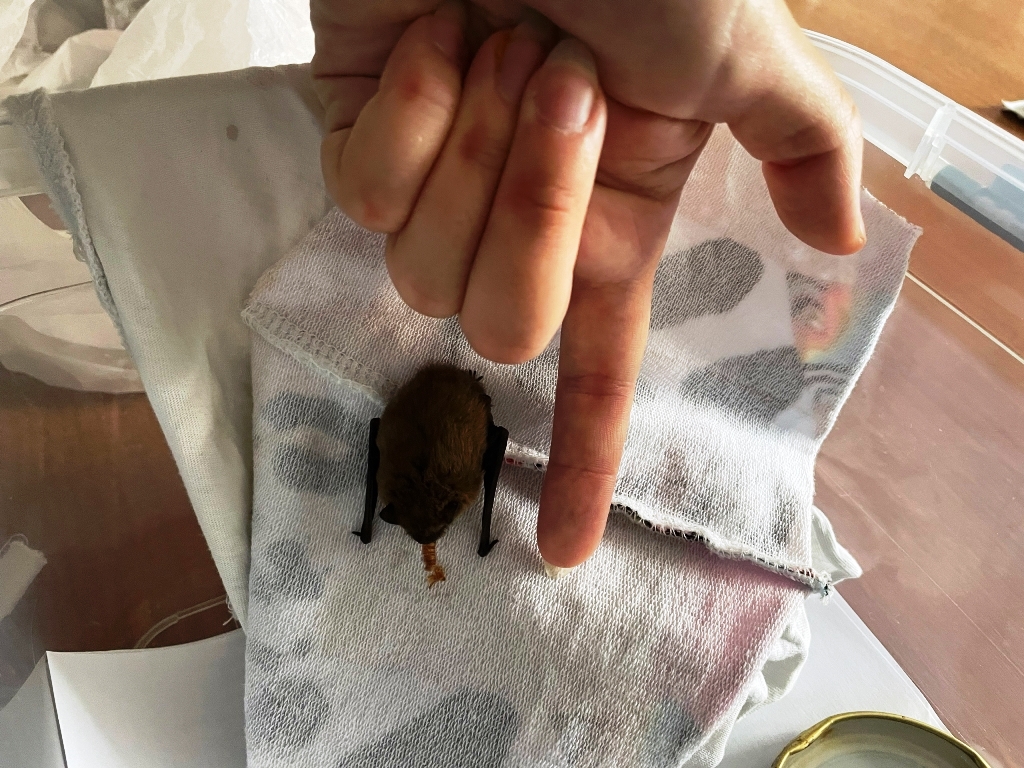
It is worth noting that bats are an extremely vulnerable group of animals under protection. Many of their species are listed in Red Books of various levels, and all species of European bats are included in the Red List of the International Union for Conservation of Nature (IUCN). "Bats are our friends who have so few natural shelters left. We ask you to show patience and respect for all living things. Bats are fragile neighbors on the planet who bring enormous benefits to nature and humans and need our protection," the zoo reminded.
Photo from the Lipetsk Zoo archive.