

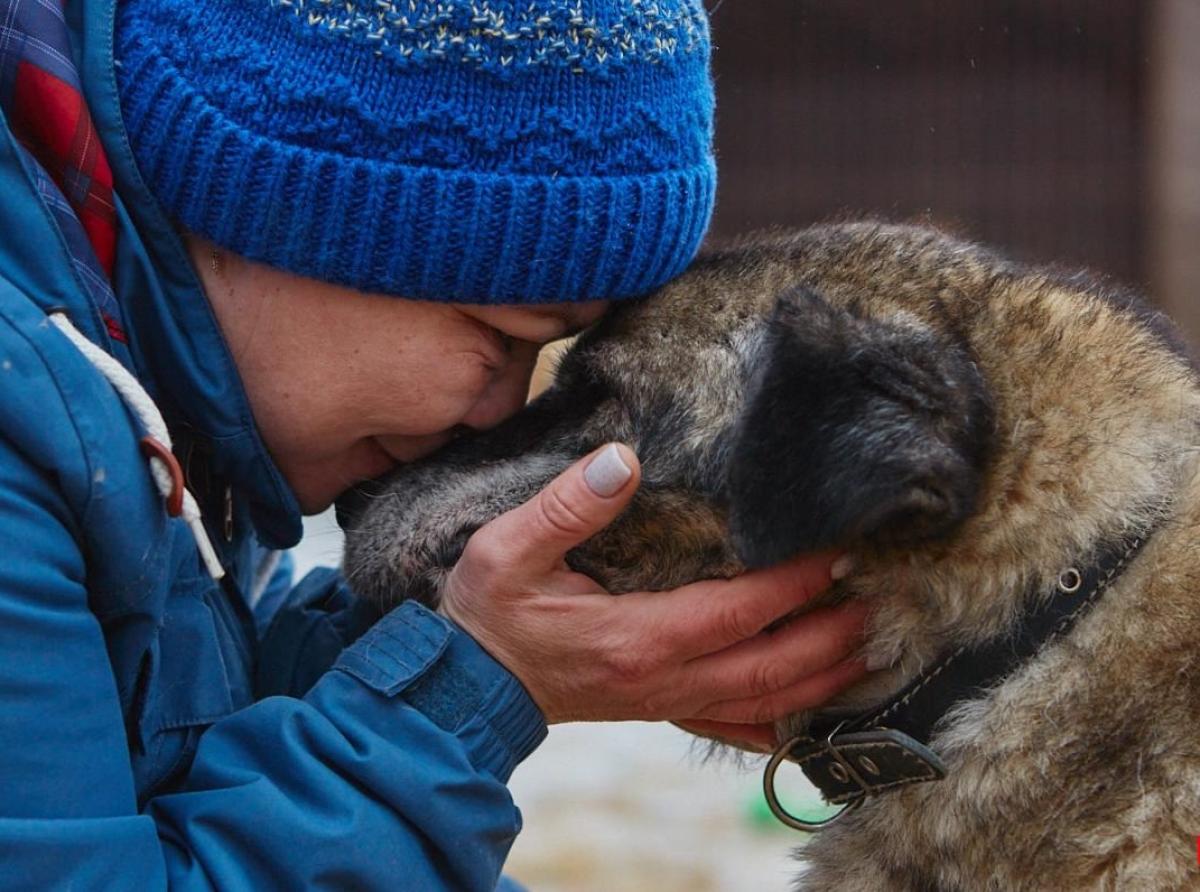
Nomination 'Responsible for those': The 'Road of Kindness' abandoned animal rescue foundation not only saves homeless pets, but also provides canine therapy, mobile sterilization, and support for local animal rights activists.
There is a special place on the map of the Vladimir region. One of those places that is easy to miss. But right here, the road of kindness began in 2021, and for five and a half years now, it has been helping to save the lives of furry friends. 'We pick up those who were turned away. We treat those who were given up on. We love those who everyone forgot how to love. Every animal in our care is someone's discarded conscience. A dog left on the highway. A pet forgotten in an empty apartment. Puppies in a tied bag. We take them from the streets and give them what was taken away: shelter, food, medical care, and a chance to find a home and loving owners,' the animal rights activists said.
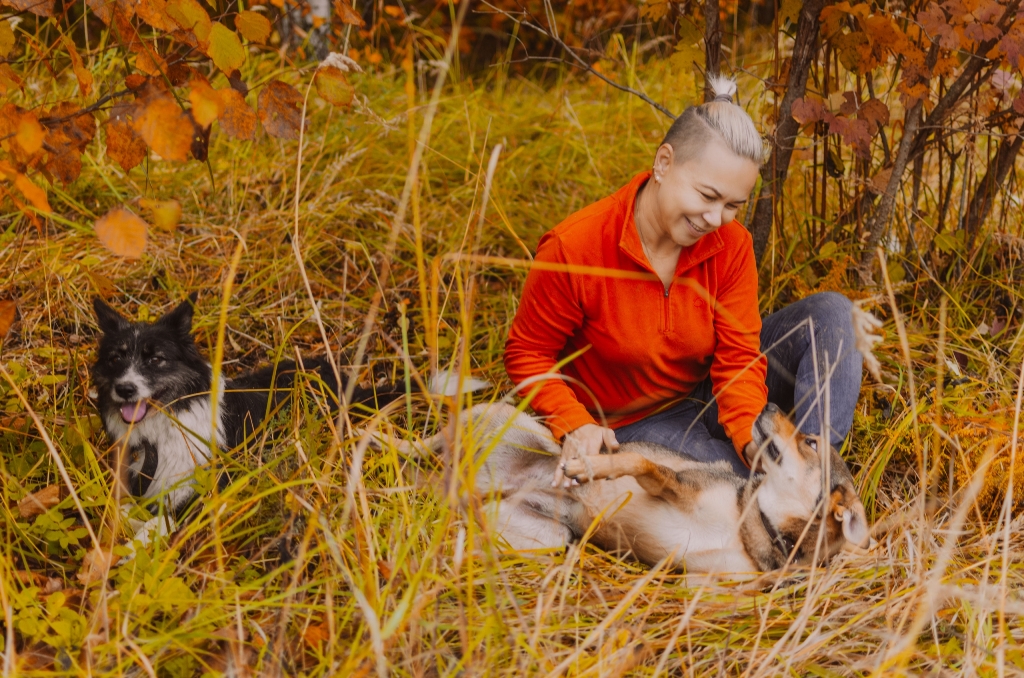
The "Road of Kindness" abandoned animal rescue foundation operates as more than just a shelter. It runs several programs based on love, humanity, and compassion. Its incredible story naturally began with Yulia Buynitskaya, the shelter director and head of the foundation. "I started as a volunteer, then worked at a shelter. During that time, I realized what a shelter needed to become truly comfortable for dogs. But you can't bring your own rules to someone else's house, so I decided to open a shelter of my own to bring all my ideas to life," Yulia shared.
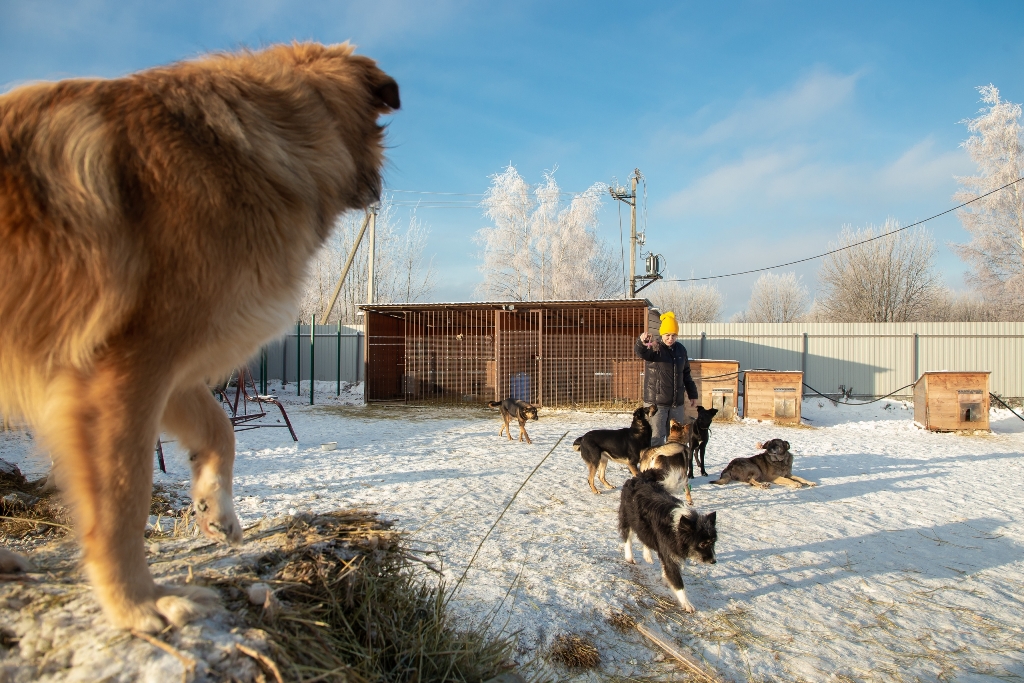
Currently, the shelter houses around 120 dogs, while nearly 30 cats are in temporary foster care. Yulia's home is also a haven for two dozen small dogs—blind, deaf seniors who would find it difficult to survive within the shelter walls. All of them were mercilessly thrown out of their family homes by heirs after their owners passed away.
A comfortable life for these furry residents is provided by a skilled and well-coordinated team of 8 staff members and a dedicated group of about 10 volunteers. The team works hard to find a home and a loving family for every animal because the shelter is not the end of the road, but a transfer station on the path to happiness.
Last year, more than 50 dogs and most of the cats were placed in loving homes. The newly available spots are immediately taken by new strays. For instance, a friendly, shaggy pup named Zhorik who had bad luck with his previous owners. However, this did not make him bitter or distrustful. On the contrary, it is as if he decided: "Oh well, that just means my real owners are still ahead!"
Just yesterday, the animal rights activists were rescuing another homeless animal—a large, miserable Alabai that someone had abandoned on the street. "We learned that near Gus-Khrustalny, a large dog had been lying by the road for several days, unable to stand up, though he was still running around the area a couple of weeks ago. The locals cared for the poor creature as best they could: they built him a makeshift bed, put up umbrellas to shield him from the rain, and covered him with plastic sheeting at night. We just couldn’t leave him in trouble," the head of the foundation noted.
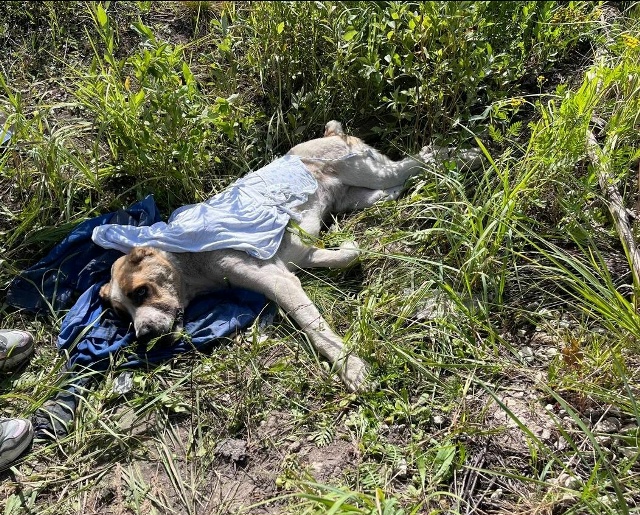
Upon seeing his rescuers, the Alabai wagged his tail in greeting but could not stand up. The emaciated dog was immediately rushed to a veterinary clinic, where he underwent X-rays and a full battery of tests. He was named Kai. According to Yulia, they already have a dog named Gerda at the shelter, and perhaps their new resident will be able to melt her heart.
The "Road of Kindness" shelter also takes in homeless dogs from the Stavropol Region. Over the past four and a half years, more than 70 furry friends from the south have received a ticket to a happy life in the Vladimir region. Four more such residents arrived just recently. "Our colleagues from the Stavropol shelter put the dogs on a special bus bound for Moscow. We pay for the transport, meet them in Moscow, and bring them back to our place," the shelter director explained. Among the newcomers is Grandpa Danya, a half-blind, funny, and sweet old dog. There is also Sofa, a little redhead who won everyone over instantly—a young, affectionate, lap-loving troublemaker who knows her worth. Her Stavropol friends include Silva, a gentle, calm and modest beauty, and Mika, a funny, outgoing, yet still somewhat shy pup.
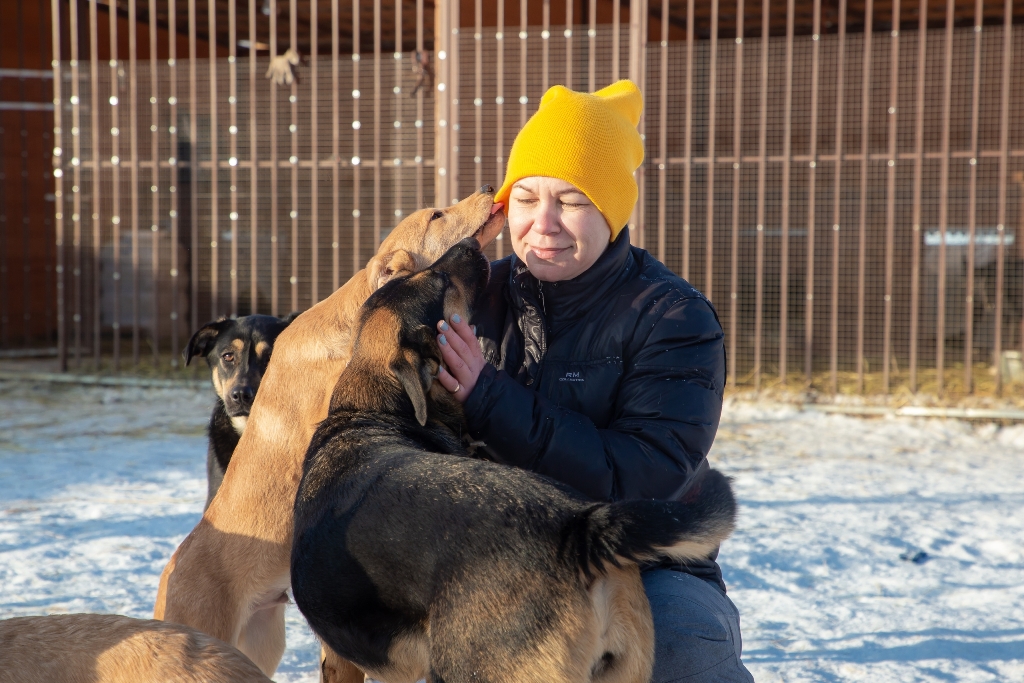
The shaggy rescues do not just live at the shelter—they rescue in return. They heal children with special needs—those whose hearts are hard to reach with words, but easy to touch with a wet nose and a warm side. They bring joy to orphans—children who also know what it feels like to be unwanted. They teach school students compassion—something that cannot be found in any textbook. "The abandoned heal the lonely. The betrayed teach love. That is the path of kindness—it runs both ways," the head of the foundation emphasized.
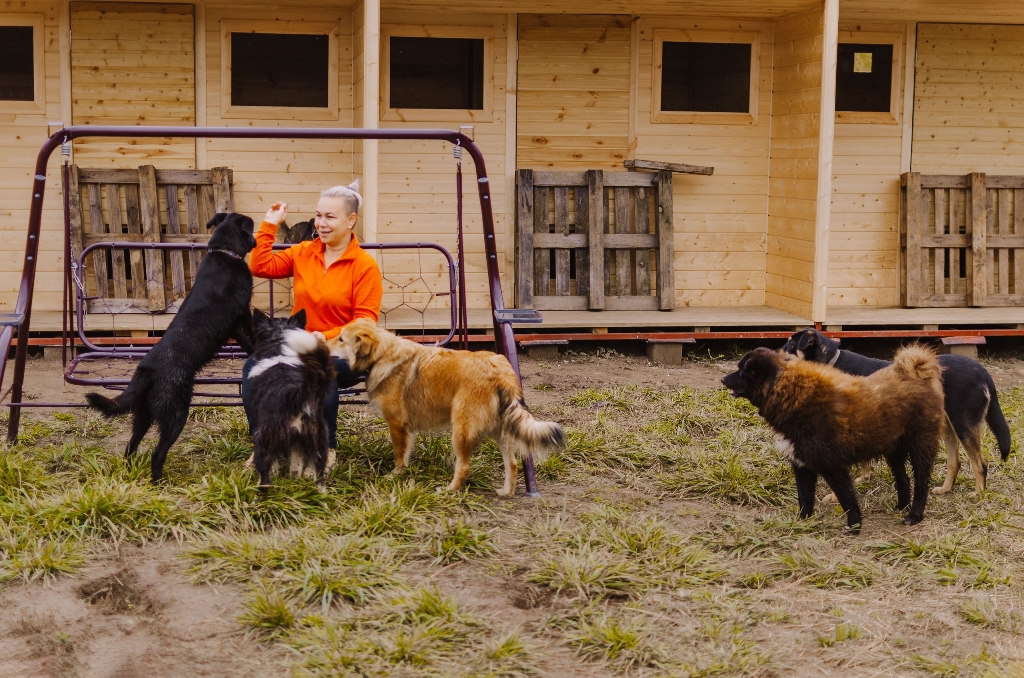
Canine therapy (animal-assisted therapy) is one of the foundation’s most successful programs and a true source of inspiration for the animal rights activists. It is a powerful rehabilitation method for both children and adults. Contact with animals reduces stress and anxiety, improves motor skills, helps individuals open up emotionally, and provides a sense of love. According to Yulia, the children from orphanages are simply incredible; they love the dogs deeply and share so much warmth with them, and their furry friends adore them in return. The foundation’s experienced canine therapist, Olga Machigina, constantly upgrades her qualifications and develops specialized programs. Her assistants are her four-legged colleagues: Ryzhaya, Tusya, Klepa, and other furry helpers. Ryzhaya is the pioneer of the shelter’s canine therapy program, with dozens of children's palms in her track record to which she has given her warmth. Klepa, a dog with her heart on her sleeve, approaches everyone on her own, hugging them, nuzzling them, as if to say, "I love you, period." Calm and gentle Tusya patiently lets herself be petted, allowing "patients" to connect at their own pace and feel her warmth.
"We bring hearts together by hosting regular meetings at the shelter for families, school students, orphanage children, and kids with special needs. We tailor a specific program for each group, both during their visits to the shelter and when we go out to see them. The program changes every time, but the core message remains the same: living warmth heals. We travel to regional rehabilitation centers, and they come to visit us. We also work with adults from care homes and other facilities," the animal rights activist noted. The deep meaning behind canine therapy is that every person finds "their own" dog. Some need active contact and hugs, while others look for a quiet presence and soft fur under their palm.
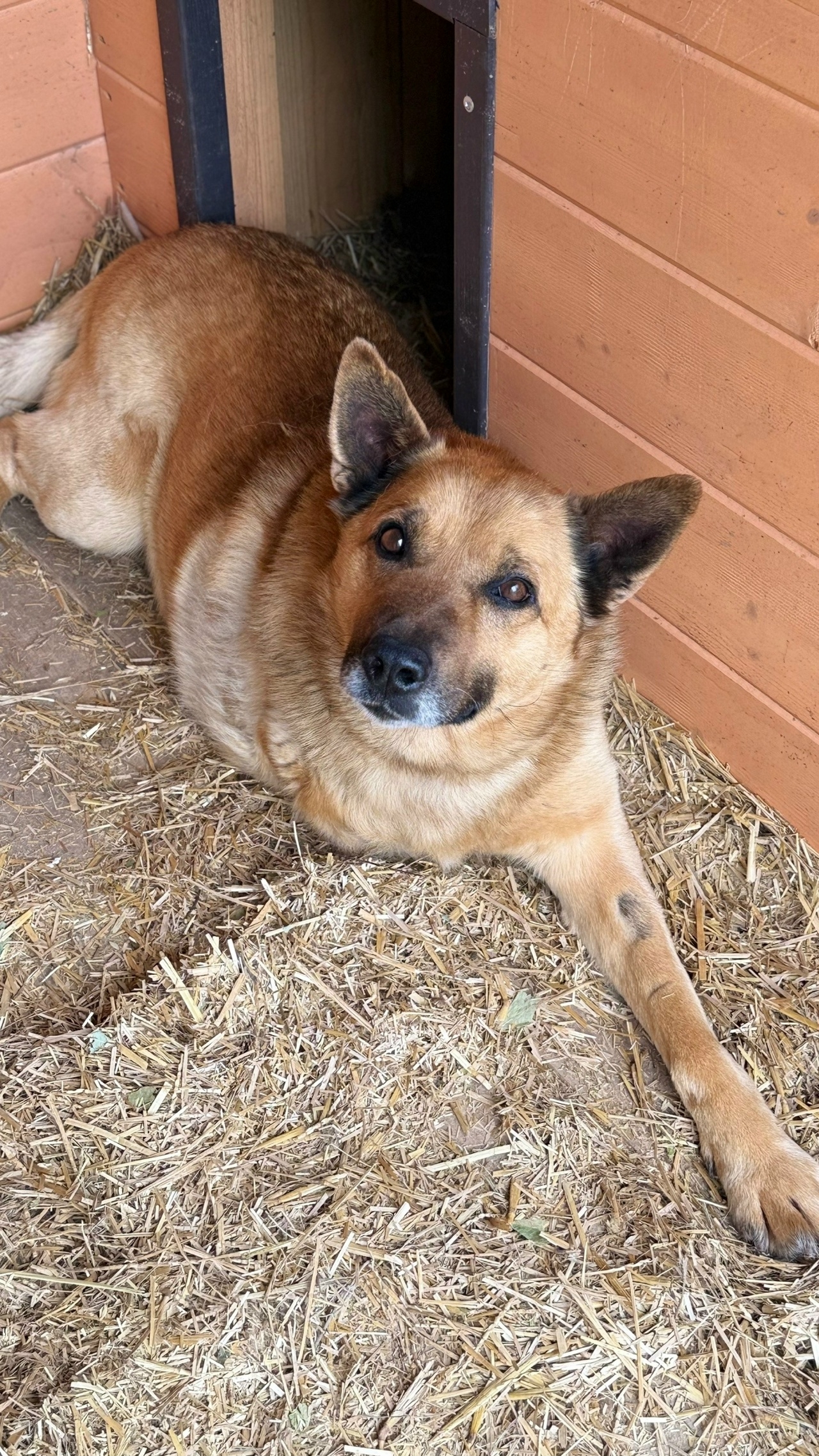
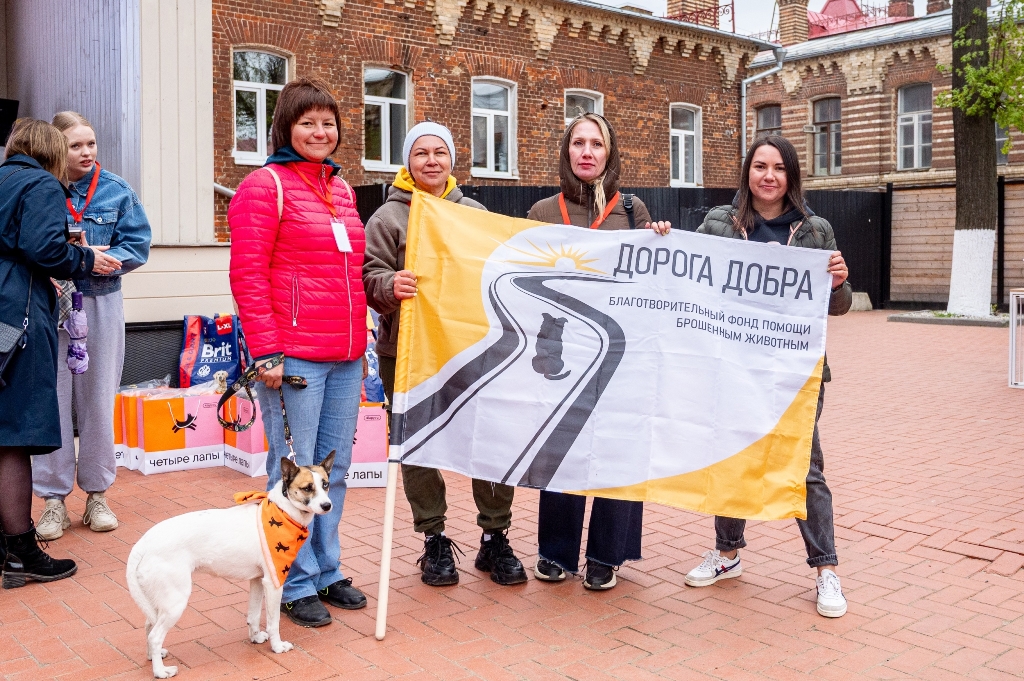
Another charity project run by the foundation is the Anti-Festival for Homeless Animals, which features a pet exhibition and an award ceremony for animal rights activists. This year, on May 17, the event was held for the second time. "The event brought together 14 shelters and temporary fosters, as well as volunteers from Vladimir and various towns across the region. They brought the main stars of the show—playful kittens, funny puppies, as well as mature dogs and cats," KP-Vladimir reported. The main goal of the campaign is to help shelter dogs and cats find homes, while also raising awareness about the issue of homeless pets. "I have wanted to organize an event like this for a long time—a place where we can talk about the people who save dozens and hundreds of lives of our furry friends. Animal advocates live for this cause but rarely receive recognition. We also share insights about our work at the anti-festival. We host 'Fun Starts' games. We show everyone that rescue pets are awesome dogs and cats, not a bit worse than family pets—they just don't have a home of their own yet," Yulia emphasized.
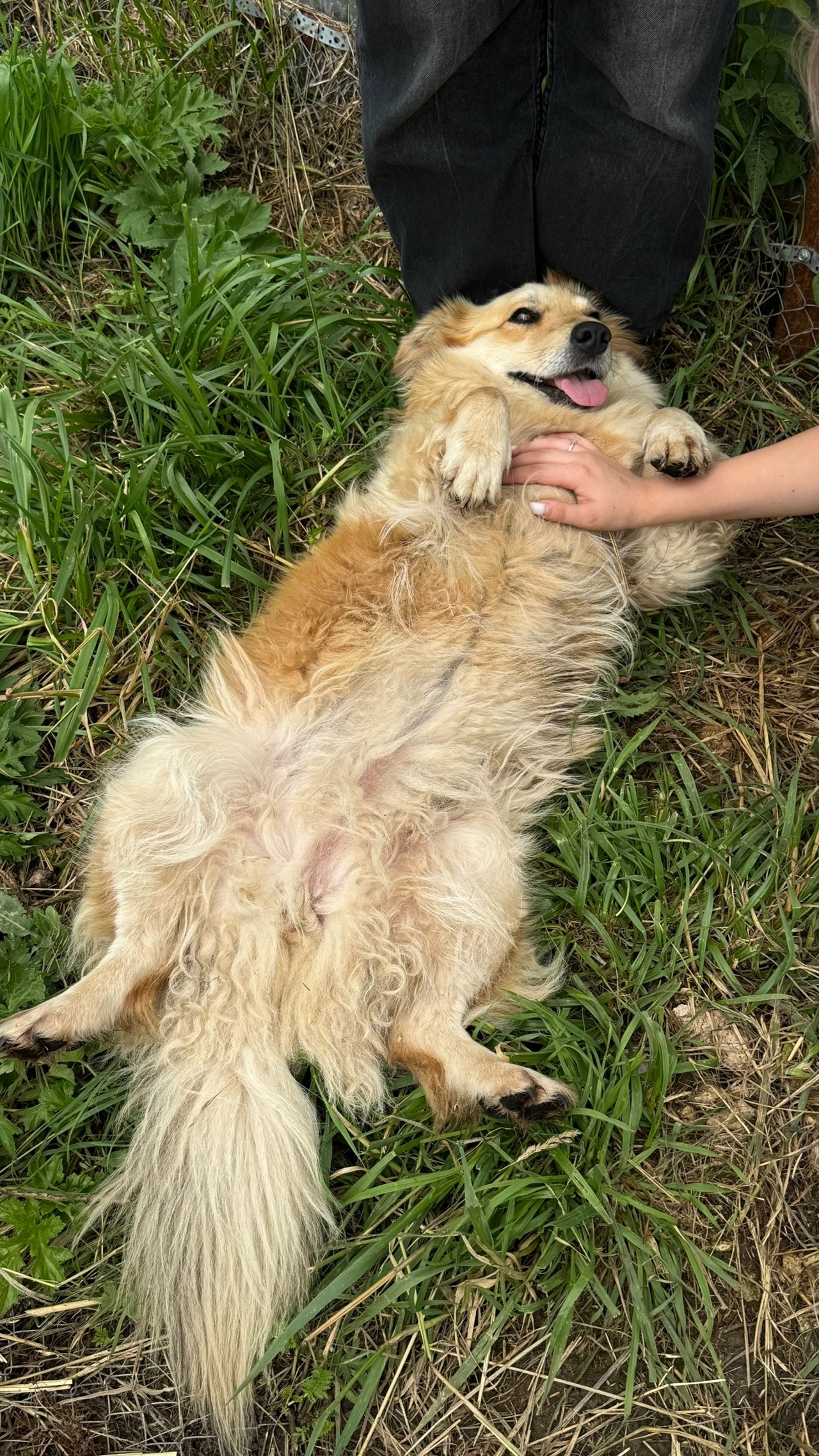
This year, the foundation opened a fluffy community center called "The Road of Kindness" in Vladimir. "Our shelter is located outside the city, and not everyone has the opportunity to travel there for events. Meanwhile, the fluffy center is right in town, and both children and adults thoroughly enjoy visiting it," Yulia explained.
The foundation also provides targeted support to local shelters and temporary fosters across the region by organizing monthly "Shelter Days" dedicated to facilities in different districts. "There are many shelters in our region that few people know about. As a result, they receive very little help. But thanks to this initiative, people learn about animal advocates in remote areas and start supporting them," the animal advocate noted.
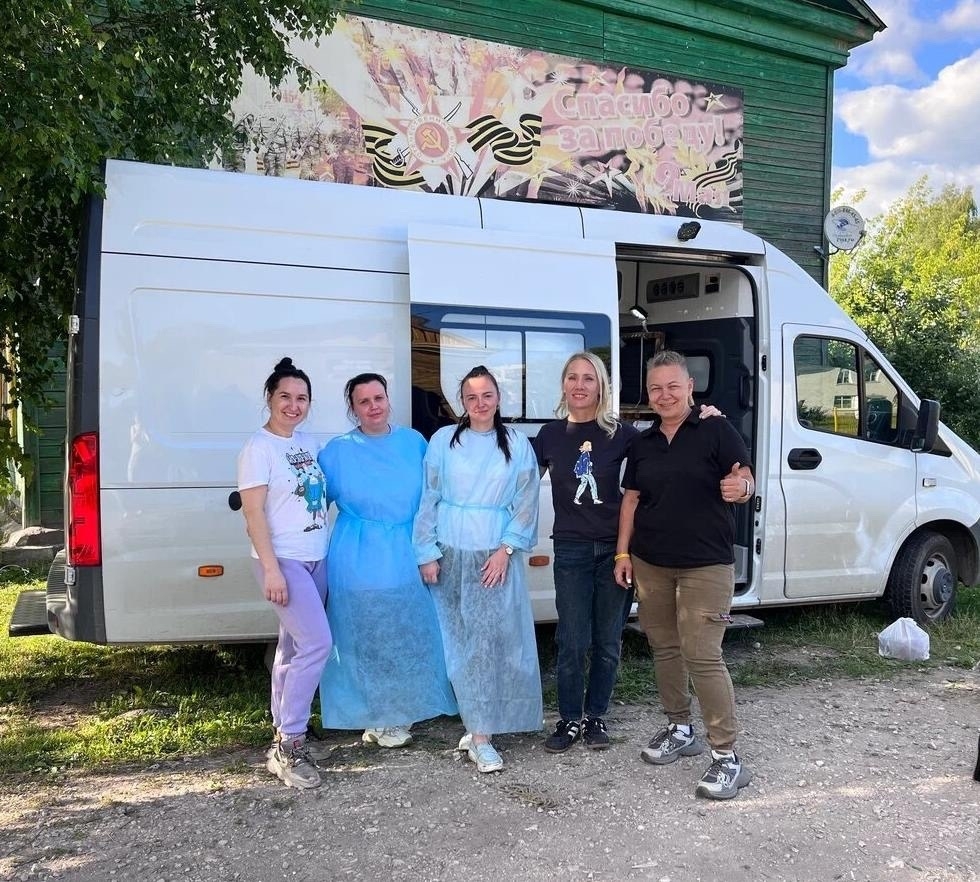
One of the foundation’s recent, most valuable, and significant acquisitions is the vet-mobile. The "Road of Kindness" veterinary clinic on wheels has gained widespread recognition even beyond the Vladimir region, thanks to its free spay and neuter program, which helps reduce the number of homeless animals in the area. "We have been running mobile, free sterilization programs for four and a half years now. In addition to the spaying or neutering, we often have to perform other medical procedures while the animal is under anesthesia. But in the past, renting a proper space in remote, hard-to-reach towns was often a real challenge. The vet-mobile completely solved this problem," Yulia explained.
As the head of the center reported, the foundation still has many plans that will definitely be brought to life. The main mission of the animal advocates is to foster a responsible attitude toward animals in society and restore respect for those who truly deserve it—our furry friends.
Photo from the "Road of Kindness" foundation archive